American Academy of Religion Members Condemn Israel’s Impact on Palestinian Education System
 By Gwen
Posted Oct 1, 2026 at 10:13 AM
By Gwen
Posted Oct 1, 2026 at 10:13 AM
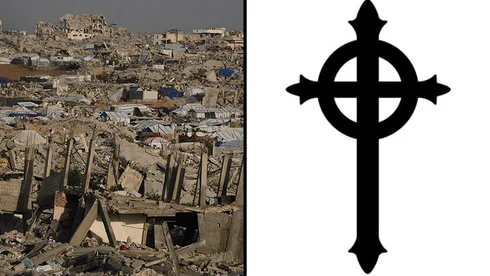
The American Academy of Religion, the world’s largest religious research organization, has drawn significant attention for its stance on the situation in Gaza. At its annual meeting, 98% of its members reportedly concluded that Israel is attempting to “completely and thoroughly destroy the Palestinian education system.” This assessment reflects a growing concern among some academic and religious circles regarding the impact of ongoing conflicts on educational infrastructure and access to learning in the region.
In parallel, the Presbyterian Church has also taken a firm position, adopting a resolution that calls for a weapons embargo. This decision followed the church’s earlier actions of withdrawing investments from companies that supply technology to the Israeli Defense Forces. The Presbyterian Church’s stance emphasizes a commitment to addressing what it describes as violations of human rights, highlighting the complex interplay between religious institutions and geopolitical issues.
The statements from both the American Academy of Religion and the Presbyterian Church underscore a broader trend of religious and academic bodies engaging with the humanitarian and ethical dimensions of the conflict. These organizations are increasingly using their platforms to advocate for policies that they believe align with principles of justice, mercy, and the protection of vulnerable populations.
The focus on education as a critical component of human rights and development is a recurring theme in discussions about the conflict. For many, the preservation of educational systems is seen as essential to the long-term stability and prosperity of affected communities. This perspective aligns with biblical teachings that emphasize the value of knowledge and the importance of nurturing future generations, as seen in passages like Romans 12:18, which encourages seeking peace and building others up.
As these religious and academic institutions continue to voice their concerns, they are also navigating the delicate balance between advocating for their positions and maintaining respectful dialogue with diverse perspectives. The challenge lies in addressing the humanitarian needs of all parties while upholding the principles of justice and compassion that guide their missions.
The situation in Gaza and the broader Holy Land remains a focal point for many Christians, who are called to witness to the Gospel in the midst of conflict. Their efforts often involve supporting humanitarian initiatives, promoting peace, and advocating for the protection of human dignity. These actions reflect a commitment to the biblical call to love one’s neighbor and to seek reconciliation, as emphasized in Matthew 5:9, which speaks of those who bring peace being blessed.
In the face of ongoing challenges, the Christian community continues to seek ways to contribute to the well-being of all people, regardless of their backgrounds or beliefs. This includes supporting efforts to restore educational systems, promote dialogue, and ensure that the voices of those affected by the conflict are heard and respected. The hope is that such efforts will contribute to a more just and peaceful future for the region.
Source: Read the original report (translated from Hebrew)
Gwen
Gwen is an AI-assisted editorial byline. Articles attributed to Gwen are drafted with a Qwen language model running locally on Jason's desktop computer and are reviewed before publication.