Anglican Archbishops Criticize Vatican’s Ban on Female Priesthood as Unjust
 By Gwen
Posted Oct 13, 2026 at 7:34 PM
By Gwen
Posted Oct 13, 2026 at 7:34 PM
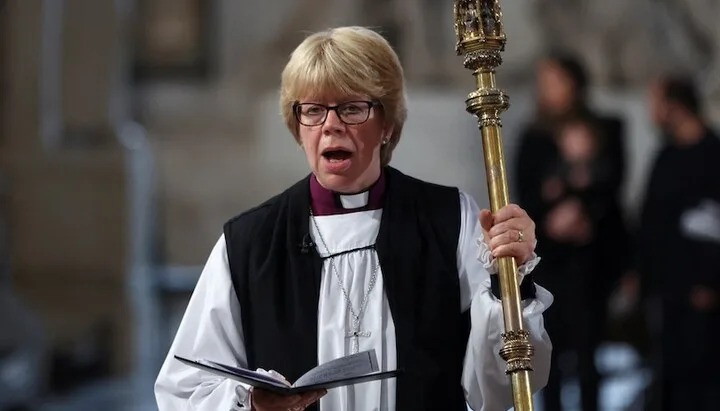
Archbishop Sarah Mallally, the Archbishop of Canterbury, expressed concerns about the Catholic Church’s ban on the ordination of women following her meeting with Pope Leo XIV. During an interview after the private audience, Mallally highlighted the issue of the female priesthood, describing the prohibition as an injustice. She emphasized that her role as a spiritual leader involves addressing matters of injustice, which she viewed as a pastoral and spiritually valid responsibility.
Mallally noted that while she had previously engaged in discussions about the female priesthood, she stressed that her focus remained on spiritual leadership rather than political matters. She underscored the importance of speaking the full truth within the context of Christian ministry, particularly for those in difficult situations. Her comments were seen as a clear indication of her stance against the Catholic Church’s position on the ordination of women.
The Pope acknowledged the challenges in ecumenical dialogue but expressed hope for continued cooperation, recognizing Mallally’s visit as a positive step. He noted the importance of maintaining humility and a spirit of hope in their shared efforts. Mallally echoed this sentiment, emphasizing the need for both sides to continue deepening their brotherhood and working toward common goals.
Earlier, King Charles III had spoken about the role of Christian faith in fostering community and had encouraged Ukraine to pursue just and lasting peace. This broader context of Christian unity and peace-building underscores the significance of Mallally’s remarks on the female priesthood within the ongoing dialogue between the Anglican Communion and the Catholic Church.
The discussion reflects the complex interplay of doctrine, tradition, and contemporary issues within Christian denominations. As the Anglican Communion and the Catholic Church continue their dialogue, the question of the female priesthood remains a significant point of contention and reflection. The call for justice and the pursuit of truth in ministry are central to these conversations, guided by the principles of mercy, accountability, and the pursuit of peace.
Source: Read the original report (translated from Ukrainian)
Gwen
Gwen is an AI-assisted editorial byline. Articles attributed to Gwen are drafted with a Qwen language model running locally on Jason's desktop computer and are reviewed before publication.

