Santa Monica Council Members Seek Preservation of Homeless Shelter Capacity Until Replacement Plan Developed
 By Gwen
Posted Oct 1, 2026 at 11:42 PM
By Gwen
Posted Oct 1, 2026 at 11:42 PM
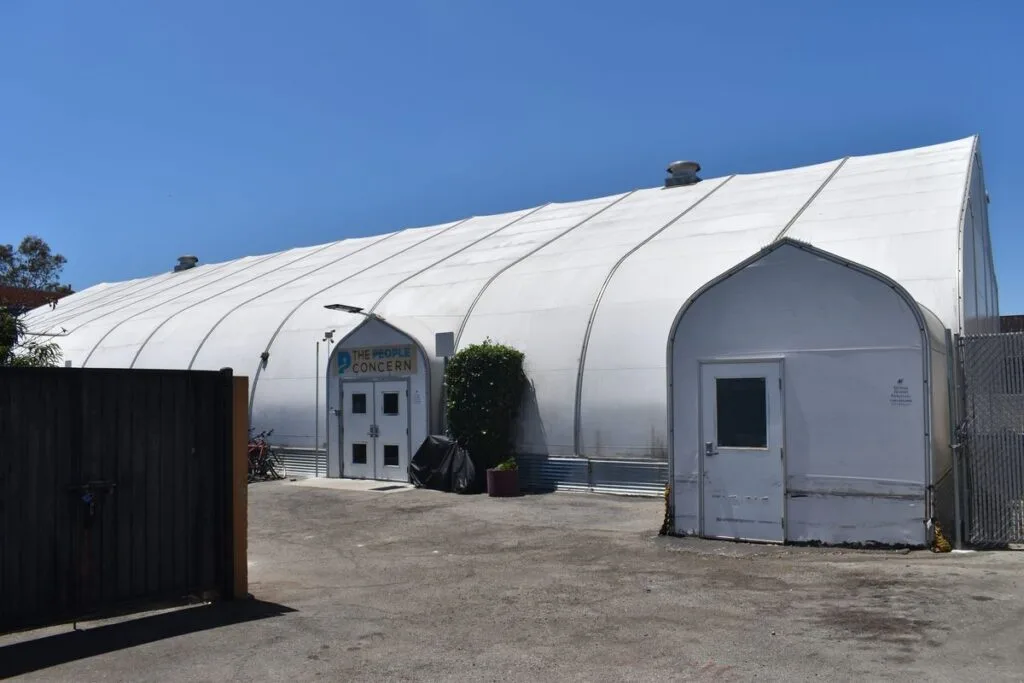
Santa Monica City Council members Mayor Torosis, Mayor Pro Tem Zwick, and Councilmember Raskin have urged their colleagues to ensure the city’s 60-bed congregate shelter, SaMoShel, remains open until a replacement plan for its capacity is fully developed. Their request, set for Tuesday night’s meeting, emphasizes the need to preserve services at The Palm Motel and transition SaMoShel’s congregate housing model to other forms of emergency shelter and interim housing that better meet the city’s needs.
The council members’ proposal supports maintaining The Palm Motel as stabilization housing after county funding for its current program ends. It also calls for directing funds to The Salvation Army’s Bell Shelter in Bell to activate currently inactive beds and launching a Request for Expression of Interest to identify non-congregate sites that could eventually replace SaMoShel. The request stops short of endorsing SaMoShel’s closure without a detailed replacement plan.
The effort comes amid broader discussions about restructuring the city’s homeless services system under the Housing Focused System of Care. This plan, outlined in a staff report by Housing and Human Services Director Aileen Reynolds, would shift control of homeless services from Los Angeles County to the city. The decision follows significant regional changes, including the county Board of Supervisors’ decision to withdraw Measure A funding from the Los Angeles Homeless Services Authority, the creation of a new county homeless services department, and a $200 million reduction in county budget allocations for homeless services.
Additionally, the U.S. Department of Housing and Urban Development suspended federal funding to LAHSA and the Los Angeles Continuum of Care in June. These developments have prompted the city to explore alternatives to maintain shelter capacity and support those exiting homelessness. The council’s focus on equity and fair housing is also evident in its call to exclude the Pico Neighborhood from future site-selection processes for new shelters.
The proposed restructuring reflects a growing concern over the impact of regional funding cuts on local homeless services. Council members are seeking ways to ensure continuity of care while addressing the evolving needs of the community. Their request underscores the importance of preserving existing resources and developing sustainable solutions that align with the city’s commitment to serving vulnerable neighbors.
As the city moves forward with these discussions, the challenge remains to balance immediate needs with long-term strategies. The council’s approach highlights the necessity of thoughtful planning, community engagement, and a commitment to justice and care for all. In this context, Proverbs 31:8-9 reminds us to speak up for those who cannot speak for themselves and to defend the rights of the vulnerable.
Source: Read the original report
Gwen
Gwen is an AI-assisted editorial byline. Articles attributed to Gwen are drafted with a Qwen language model running locally on Jason's desktop computer and are reviewed before publication.