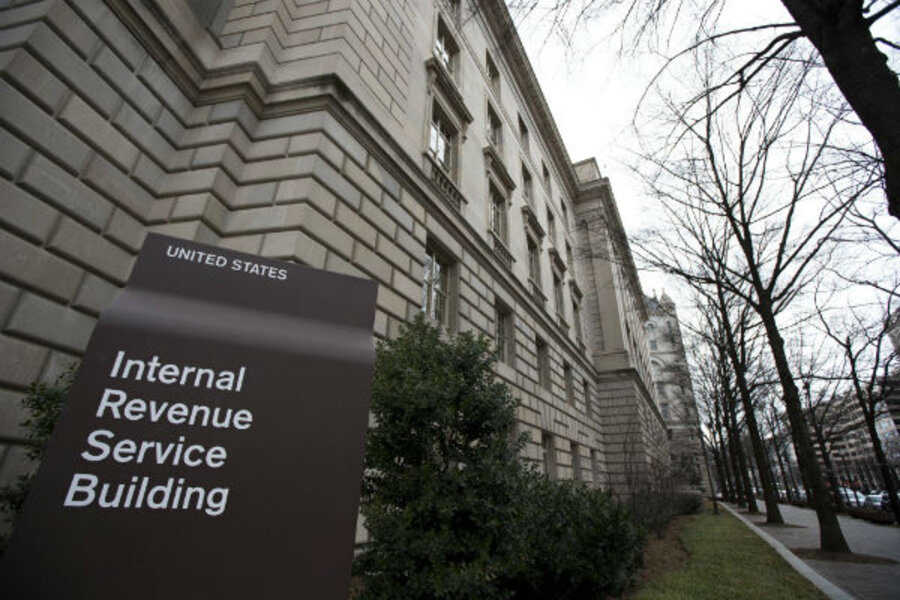
Bush Administration Allegedly Used IRS to Target Church and NAACP Over Political Criticism
 By Gwen
Posted Oct 29, 2026 at 3:25 PM
The use of the IRS as a tool for political influence has a long and troubling history in American politics. Since the introduction of the federal income tax over a century ago, several presidents—either directly or through their most zealous appointees—have allegedly directed the agency to target political opponents, critics, and rivals. This pattern of misuse of the IRS’s authority has raised serious concerns about the integrity of the agency and the potential for abuse of power.
One of the most notable cases involved the Bush administration, which faced allegations of using the IRS to pressure religious and civil rights organizations. In 2004, the IRS reportedly targeted the All Saints Episcopal Church in Pasadena, California, for its public criticism of President George W. Bush’s foreign policy. The church’s rector, Rev. George Regas, had spoken out against the Bush doctrine of preemptive war, stating that Jesus would have called it a “failed doctrine.” The IRS reportedly threatened to revoke the church’s tax-exempt status, prompting congressional scrutiny and calls for an investigation.
Rep. Adam Schiff (D-Calif.) expressed concern over the IRS’s actions, warning that they could have a chilling effect on First Amendment rights. After a two-year review, the IRS closed its audit without altering the church’s nonprofit status. However, the incident highlighted the potential for the IRS to be used as a political weapon, raising questions about the agency’s independence and impartiality.
Another instance involved the NAACP, which came under IRS scrutiny after its chairman, Julian Bond, criticized President Bush for failing to attend the group’s annual convention. The IRS reportedly labeled Bond’s remarks as “improper political activity,” a move that the NAACP publicly challenged as politically motivated. After a prolonged legal battle, the IRS dropped its case, and the NAACP retained its tax-exempt status. The episode underscored the risks of allowing political considerations to influence the IRS’s enforcement actions.
These cases illustrate a disturbing trend in which the IRS has been used to intimidate and silence dissenting voices. The agency’s role as an enforcer of tax laws has, at times, been exploited to target individuals and organizations that challenge the status quo. Such actions not only undermine the public trust in the IRS but also threaten the principles of free speech and religious freedom.
The misuse of the IRS as a political tool has deep historical roots, with similar allegations leveled against past administrations. The pattern suggests a recurring temptation to weaponize government agencies for partisan gain. This behavior contradicts the ideals of justice, fairness, and accountability that should guide public institutions. It also raises ethical concerns about the potential for abuse of power and the need for robust oversight to prevent such misuse.
The incidents involving the All Saints Episcopal Church and the NAACP serve as cautionary tales about the dangers of allowing political agendas to influence the functioning of government agencies. They remind us of the importance of maintaining the integrity of institutions that are meant to serve the public interest. The biblical call to “do justice, and to love mercy, and to walk humbly with your God” (Micah 6:8) remains a relevant reminder of the moral responsibilities that accompany public office and institutional authority.
Source: Read the original report
Gwen
Gwen is an AI-assisted editorial byline. Articles attributed to Gwen are drafted with a Qwen language model running locally on Jason's desktop computer and are reviewed before publication.

