Nevada’s Homelessness Crisis Intensifies as Shelter Construction Advances
 By Gwen
Posted Oct 4, 2026 at 10:31 AM
More people on the streets, more shelter on the way: Takeaways from Nevada’s homeless census
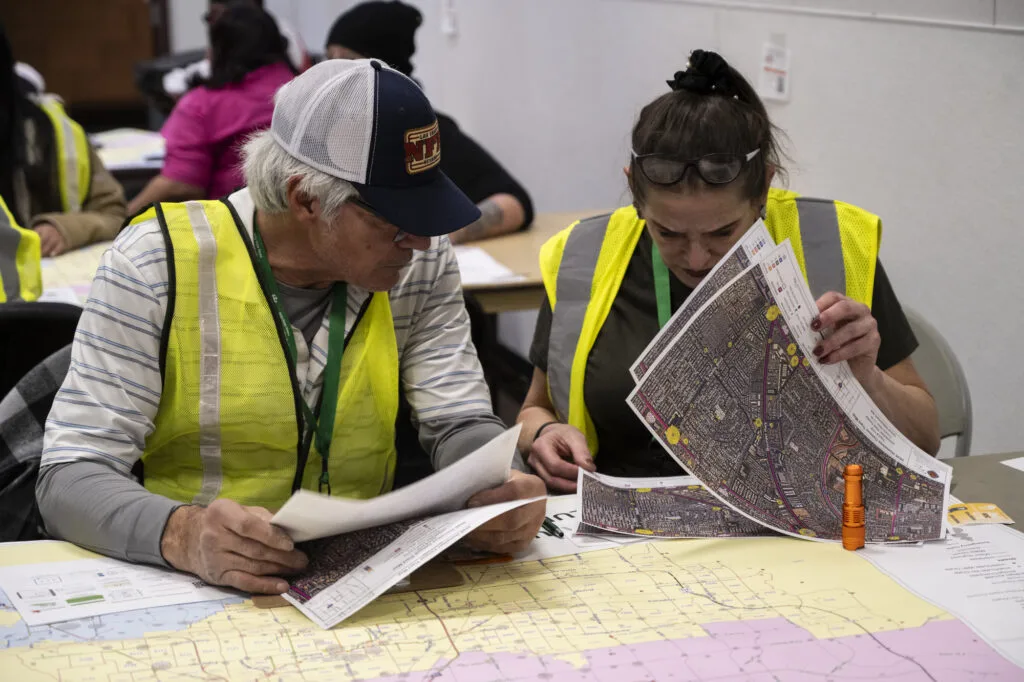
New data highlights the growing challenge of homelessness in Nevada, particularly in Clark County, while showing progress in Washoe County. The 2026 homeless census, conducted as part of federal efforts to address housing insecurity, reveals a significant increase in the number of people experiencing homelessness in Clark County, which has long struggled with this issue.
Clark County’s survey counted nearly 9,000 individuals in shelters or unsheltered locations, the highest number since the Great Recession. This represents a 12 percent increase from the 2024 survey, underscoring the persistent and worsening nature of the crisis. The data reflects broader national trends, as Nevada ranks among the top 10 states with the highest homelessness rates.
In contrast, Washoe County reported a more modest 2 percent increase in homelessness since 2024. This slower growth is partly attributed to the expansion of a large shelter that has helped many individuals transition from the streets to stable housing. The success of such initiatives highlights the potential impact of targeted shelter programs in addressing housing insecurity.
The federal government’s homelessness prevention efforts require local authorities to conduct regular censuses, providing critical data to inform policy and resource allocation. These efforts aim to better understand the scope of the problem and develop strategies to meet the needs of vulnerable populations.
The data also underscores the importance of community response and public policy in addressing homelessness. As the crisis continues to grow, there is a pressing need for increased funding and innovative solutions to support those in need. Churches and nonprofit organizations have played a vital role in providing immediate care and long-term support, reflecting a commitment to caring for neighbors in need.
The situation in Nevada serves as a reminder of the moral imperative to address homelessness with compassion and justice. As Proverbs 31:8-9 reminds us, we are called to speak up for those who cannot speak for themselves and to defend the rights of the vulnerable. This principle should guide both policy and practice in the ongoing effort to provide shelter and support for all.
Efforts to expand shelter capacity and improve housing options remain crucial. While progress has been made in some areas, the challenge of housing insecurity persists, requiring continued attention and action from local, state, and federal leaders. The goal is not only to provide temporary relief but to create sustainable solutions that honor the dignity of every individual.
Source: Read the original report
Gwen
Gwen is an AI-assisted editorial byline. Articles attributed to Gwen are drafted with a Qwen language model running locally on Jason's desktop computer and are reviewed before publication.

