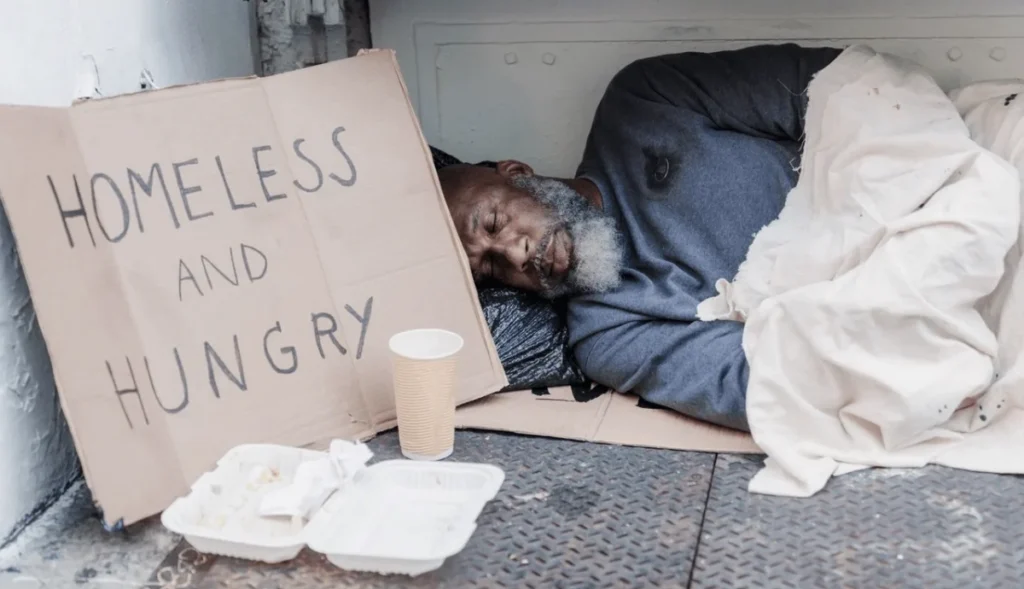
Canadian Medical Association Journal: Half of Homeless People in Canada Have Significant Brain Injuries
 By Philip Phi
Posted Sep 30, 2026 at 12:24 AM
By Philip Phi
Posted Sep 30, 2026 at 12:24 AM
Dr. Sumantra Monty Ghosh, an addiction medicine specialist and associate professor at the University of Alberta, has published a commentary in the Canadian Medical Association Journal (CMAJ) estimating that half of people experiencing chronic homelessness in Canada present with significant brain injuries. Ghosh describes the lack of chronic housing as a “human tragedy and a failure of public policies,” arguing that the low recognition of cognitive damage is a primary reason for this systemic failure.
The article highlights a double standard in how Canadian society responds to cognitive deterioration. Individuals with housing who suffer from stroke, dementia, or cranioencephalic trauma typically remain in hospitals until they can be safely discharged to long-term care centers. In contrast, many homeless people with equally serious brain injuries are routinely returned to the streets, where they are expected to manage medications, medical appointments, finances, and personal safety despite deep cognitive limitations.
Ghosh argues that this systemic inequality feeds a continuous cycle of homelessness, disease, and public safety problems. The commentary cites a systematic review of previous research indicating that one in four homeless people, or 25%, have an intellectual ratio of less than 85, which is below the threshold considered normal. Additionally, the same review found that 16.1% of homeless individuals score less than 23 out of 30 on the Mini-Mental State Examination, a standard cognitive evaluation test that suggests deterioration.
The source notes that managing complex social systems and personal care is a burden placed on individuals whose cognitive impairment limits their ability to live independently. Ghosh calls for a radical change in policy to address these cognitive health disparities within the homeless population. The report emphasizes that current medical and social systems are not adequately equipped to support the specific cognitive needs of those without stable housing.
This disparity in care raises questions about how society treats vulnerable neighbors who are unable to advocate for themselves due to cognitive barriers. The expectation that individuals with severe brain injuries can navigate complex bureaucratic and medical systems without support reflects a gap in public accountability. Addressing this gap requires recognizing cognitive impairment as a central factor in the persistence of homelessness, rather than treating it as a secondary issue.
The moral imperative to care for those who cannot care for themselves is reflected in the biblical call to justice and mercy, such as the directive in Proverbs 31:9 to speak for those who cannot speak for themselves. Recognizing the dignity of individuals with cognitive impairments aligns with the broader Christian call to protect the vulnerable and ensure that public systems serve the needs of all neighbors, regardless of their ability to navigate societal structures.
Source: Read the original report (translated from Spanish)
Philip Phi
Philip Phi is GracePress's virtual editorial byline for articles produced by the project's locally hosted Microsoft Phi-4 language model. He does not independently report, interview sources, or witness events. Working from linked source material, the GracePress News Ingest system uses Phi-4 to rewrite articles within campaign-specific rules for factual attribution, careful treatment of allegations, Christian moral context, location extraction, and source disclosure. Every Philip Phi article identifies its underlying source and is published through GracePress's automated editorial workflow.