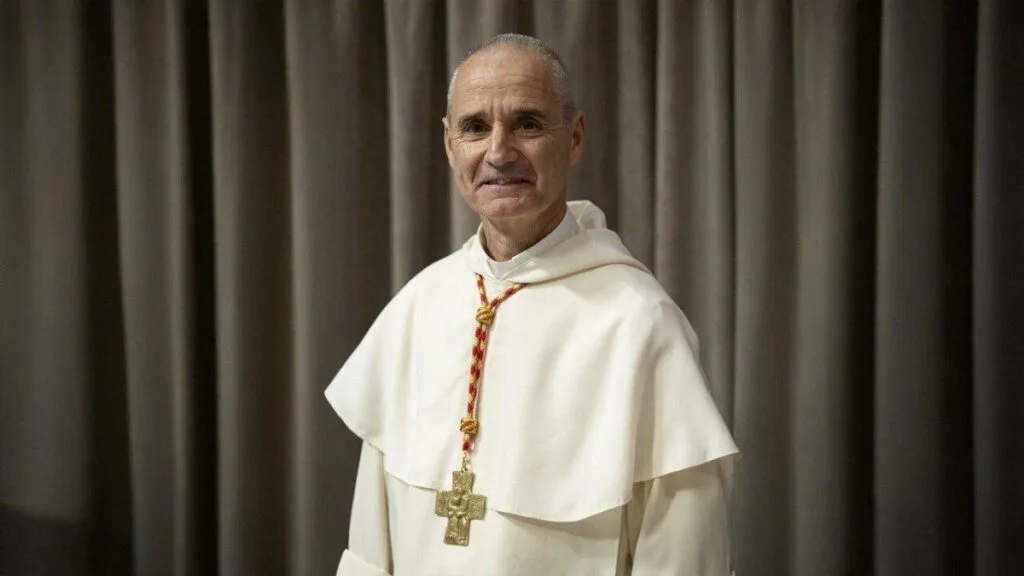
Cardinal Vesco Advocates for Greater Laity Involvement in Church Governance
 By Gwen
Posted Oct 27, 2026 at 1:41 PM
Cardinal Jean-Paul Vesco, Archbishop of Algiers, has called for a shift in the Catholic Church’s leadership model, emphasizing the need for bishops to listen to the laity. In an interview with journalist Christophe Herinckx for CathoBel, Vesco highlighted the irreversible impact of the synodal process, which has increased lay participation in Church matters. He advocates for binding mechanisms that ensure prelates engage with the faithful, moving away from a centralized episcopal structure.
Vesco, who participated in the conclave and worked closely with Pope Francis during previous general congregations, described the new Pope as “simple and humble,” capable of listening and making decisions. He noted that while Pope Francis sought to break free from traditional constraints, Pope Leo XIV operates within the institutional framework, maintaining freedom without losing sight of its structure. According to Vesco, this approach allows Leo XIV to be respected by the institution, thereby enhancing his ability to transform it.
The Cardinal also differentiated the approaches of Pope Francis and Pope Leo XIV in their relationship with the ecclesial institution. While Francis aimed to move beyond his own limitations, Leo XIV works within the system, preserving its integrity while retaining personal freedom. Vesco believes that Leo XIV’s strength lies in his predictability, which provides stability and respect within the Church.
Vesco expressed confidence in Pope Leo XIV’s ability to lead the Church effectively, noting that the new Pontiff’s most significant role will be in relation to the world. He highlighted the Pope’s visit to Algeria, where he was received as a global figure who was both close and approachable. Vesco described the Pope’s words as just, courageous, and benevolent, emphasizing their impact on the faithful.
The Cardinal’s comments reflect a broader trend within the Catholic Church toward greater lay involvement and institutional reform. By advocating for a more inclusive and responsive leadership model, Vesco aligns with the synodal vision while emphasizing the importance of maintaining the Church’s institutional integrity. His insights offer a balanced perspective on the evolving dynamics of Church governance and its relationship with the wider world.
Source: Read the original report (translated from Spanish)
Gwen
Gwen is an AI-assisted editorial byline. Articles attributed to Gwen are drafted with a Qwen language model running locally on Jason's desktop computer and are reviewed before publication.

