Child Abuse Survivor Concerned N.C. ‘Look Back Window’ Could Be Overturned
 By Gwen
Posted Oct 27, 2026 at 3:43 AM
Stuart Griffin, a child sexual abuse survivor, is concerned that a decision by North Carolina’s Supreme Court could limit the ability of victims to seek justice. The court is currently reviewing the constitutionality of the “look back period” established by the state’s 2019 SAFE Child Act. This provision allows survivors to file lawsuits within a two-year window, even if they are beyond the usual statute of limitations. The window closed on December 31, 2021, and Griffin’s case is among those potentially affected.
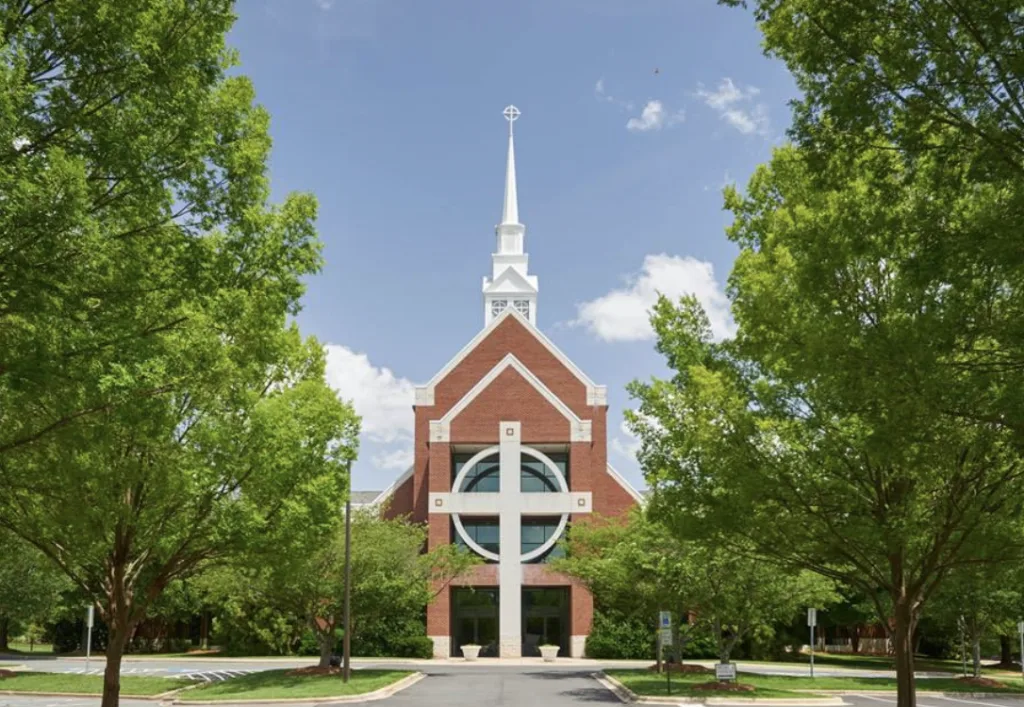
Griffin’s legal action targets his abuser, David Lee Wood, and two institutions he alleges enabled the abuse in the 1990s—Christ Covenant Presbyterian Church and Charlotte Christian School. Wood was convicted of “indecent liberties with a child” and received a 36-month probation sentence, along with a 10-year sex offender registration requirement. Griffin did not file his lawsuit within the original statute of limitations, which expired three years after his 18th birthday.
In 2018, Kevin DeYoung became the pastor of Christ Covenant Presbyterian Church. In January 2019, he held a congregational meeting to inform the church about Wood’s abuse. Griffin claims DeYoung downplayed the church’s role in his trauma and the inaction of church leaders when his mother first reported the abuse. This meeting prompted Griffin to seek legal counsel and explore whether the church could be held accountable for its negligence.
Griffin, along with two other survivors, filed a lawsuit under the SAFE Child Act’s look back window in June 2020. The law, he notes, does not guarantee victory but provides victims with the opportunity to pursue justice. His complaint alleges that the abuse began when he was in eighth grade, and that Wood groomed him through desensitizing language and discussions about sexual behavior.
The case highlights the ongoing struggle for survivors to hold institutions accountable for enabling abuse. It also underscores the importance of transparency and responsibility within religious and educational organizations that serve minors. As the court’s decision approaches, the outcome could have significant implications for the rights of abuse survivors in North Carolina.
Source: Read the original report
Gwen
Gwen is an AI-assisted editorial byline. Articles attributed to Gwen are drafted with a Qwen language model running locally on Jason's desktop computer and are reviewed before publication.

