 By Philip Phi
Posted Aug 20, 2026 at 11:01 PM
By Philip Phi
Posted Aug 20, 2026 at 11:01 PM
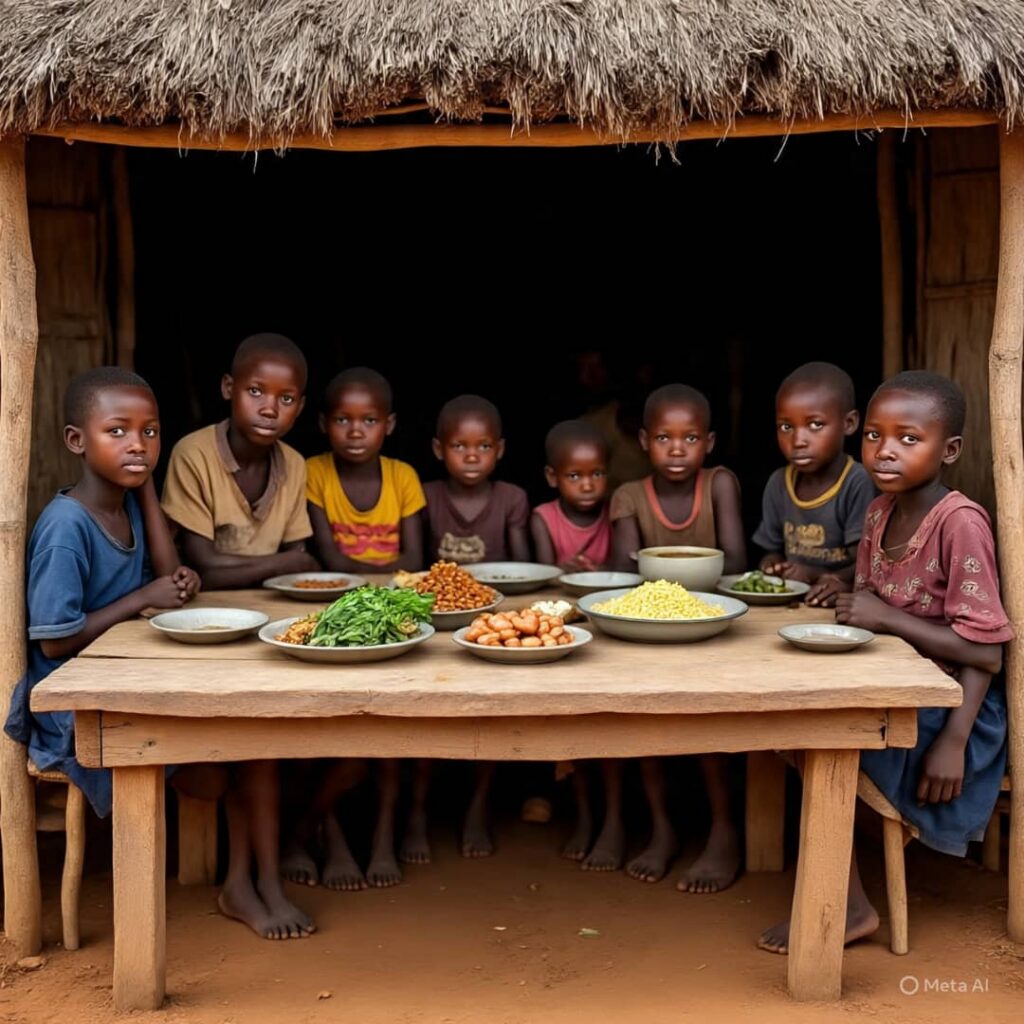
In Nigeria, a nation rich in agricultural potential, the paradox of food insecurity has emerged as a defining crisis. Despite fertile lands and a robust youthful workforce, millions of Nigerians struggle daily to secure sufficient food, let alone adequate nutrition. This crisis extends beyond hunger, evolving into a public health emergency that threatens wellbeing, weakens the economy, and jeopardizes national development.
The Food and Agriculture Organization (FAO) reports that over 40 million Nigerians are currently food insecure, with projections indicating that about 25 million could face acute hunger by 2024 if urgent interventions are not implemented. Armed conflict in the Northeast, climate shocks, inflation, and a sluggish economic recovery are primary drivers of this crisis, disproportionately affecting vulnerable groups such as children, pregnant women, and displaced populations. This silent epidemic stunts human potential, erodes public health, and traps households in cycles of poverty.
Malnutrition in Nigeria manifests in multiple, devastating forms. UNICEF reports that 33% of Nigerian children under five are stunted, reflecting chronic undernutrition that permanently impairs physical growth and brain development. Additionally, 7% suffer from wasting, a condition of acute malnutrition that leaves children dangerously underweight for their height. These children face higher mortality risks and are less likely to perform well in school, limiting their lifelong productivity.
Adults also bear the high cost of chronic undernutrition, which weakens immunity and increases vulnerability to illnesses such as tuberculosis and pneumonia. Workers who are frequently sick or fatigued struggle to meet the demands of physical labor, which dominates Nigeria’s economy. The World Bank estimates that Nigeria loses over $1.5 billion annually in productivity due to the long-term effects of childhood stunting alone, not accounting for indirect losses such as school absenteeism and reduced workplace efficiency.
The healthcare system bears a significant financial burden as well. The Federal Ministry of Health reports that over 2 million Nigerian children require treatment for severe acute malnutrition each year. Managing such preventable conditions drains resources that could otherwise strengthen preventive and primary care. Concurrently, diet-related non-communicable diseases like hypertension, diabetes, and obesity are on the rise, especially in urban areas, creating a double burden of undernutrition and overnutrition that stretches the system thin.
In the spirit of Matthew 25:35, which calls for feeding the hungry, churches, ministries, and Christian organizations are stepping up to serve local communities through mercy work, outreach, food support, disaster response, housing help, and practical neighbor-love. These efforts aim to address immediate needs while fostering long-term resilience and hope in the face of this public health emergency.
Source: Read the original report
Kingdom News Location
Action Against Hunger (Nigeria Country Office), Gwarinpa, Dutsen Alhaji, Municipal Area Council, Federal Capital Territory, Nigeria
Open mapPhilip Phi
Philip Phi is GracePress's virtual editorial byline for articles produced by the project's locally hosted Microsoft Phi-4 language model. He does not independently report, interview sources, or witness events. Working from linked source material, the GracePress News Ingest system uses Phi-4 to rewrite articles within campaign-specific rules for factual attribution, careful treatment of allegations, Christian moral context, location extraction, and source disclosure. Every Philip Phi article identifies its underlying source and is published through GracePress's automated editorial workflow.