Church Election Probe Compares Brethren Scrutiny to Spanish Inquisition
 By Gwen
Posted Oct 17, 2026 at 7:09 AM
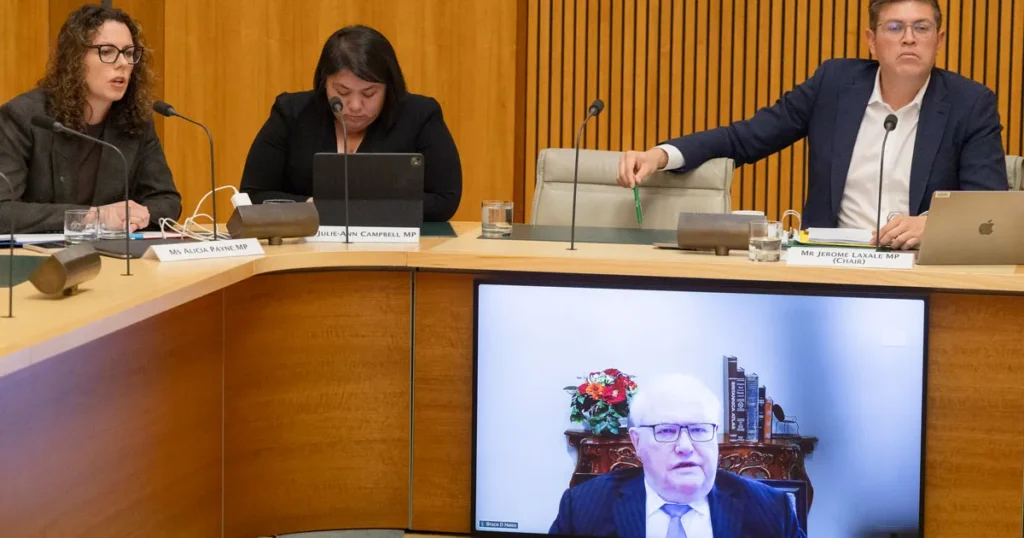
The inquiry into whether the Plymouth Brethren Christian Church influenced the 2025 federal election has sparked intense debate, with lawmakers accusing the group of orchestrating political activity through its members. During hearings, senior figures within the church faced scrutiny over alleged involvement in campaign efforts, including reports of Brethren members allegedly paying neo-Nazis to intimidate politicians. The committee is examining whether the church, known for its secretive nature, played a role in mobilizing its followers to support the Liberal Party.
Bruce Hales, the church’s global head, became the highest-ranking member to testify. He denied any direct involvement in political matters, asserting that the church rarely discusses politics and that he had no authority to direct members. Hales claimed he learned of alleged campaign activities through the media, not through internal directives. He also dismissed claims that he guided his sons, who are known to have campaigned for the Liberal Party, stating that most of the committee’s understanding was incorrect.
The committee’s focus has extended to whether the church exerted control over members’ personal lives, including their clothing, hairstyle, marriage choices, and travel. Coalition members repeatedly interrupted questioning, with Liberal MP Ben Small calling the inquiries “patently ridiculous.” Senator Richard Colbeck compared the situation to the Spanish Inquisition, while Nationals leader Bridget McKenzie described it as “a lot like religious persecution.” These remarks highlighted the tension between the church’s perceived influence and the lawmakers’ concerns about religious freedom.
Independent MP Andrew Gee described his experience of being filmed, crowded, and followed by Brethren members at polling booths, adding that some volunteers felt intimidated. Hales acknowledged the distress caused to individuals but maintained that the actions were the responsibility of the members themselves. He stated he did not support such behavior and was “quite frankly” against it, though he did not offer a formal apology.
The inquiry has also raised questions about the church’s historical statements, with Hales reportedly making remarks describing Jews as “depraved.” While the full context of these comments remains under investigation, the committee is seeking clarity on whether such views influenced the church’s political activities. The hearings continue to explore the intersection of faith, influence, and accountability, with the broader implications for religious organizations and their role in public life.
The situation reflects the delicate balance between religious freedom and the responsibilities of community members. As Proverbs 18:17 reminds us, “The first to present his case seems right, until another comes forward and questions him.” The ongoing inquiry underscores the importance of transparency and accountability, ensuring that the rights of all individuals are upheld while respecting the autonomy of religious groups.
Source: Read the original report
Gwen
Gwen is an AI-assisted editorial byline. Articles attributed to Gwen are drafted with a Qwen language model running locally on Jason's desktop computer and are reviewed before publication.

