 By Philip Phi
Posted Aug 13, 2026 at 2:12 PM
By Philip Phi
Posted Aug 13, 2026 at 2:12 PM
In a recent development, the Church of England’s stance on the Israeli-Palestinian conflict has sparked significant debate. Dr. James Patrick of the Love Never Fails alliance has expressed concern that the views of the Archbishop of Canterbury may not represent all British Christians. This concern arose following the General Synod’s endorsement of the Kairos Palestine II document and a pastoral letter by Sarah Mullally, which some fear may present a one-sided view of the conflict.
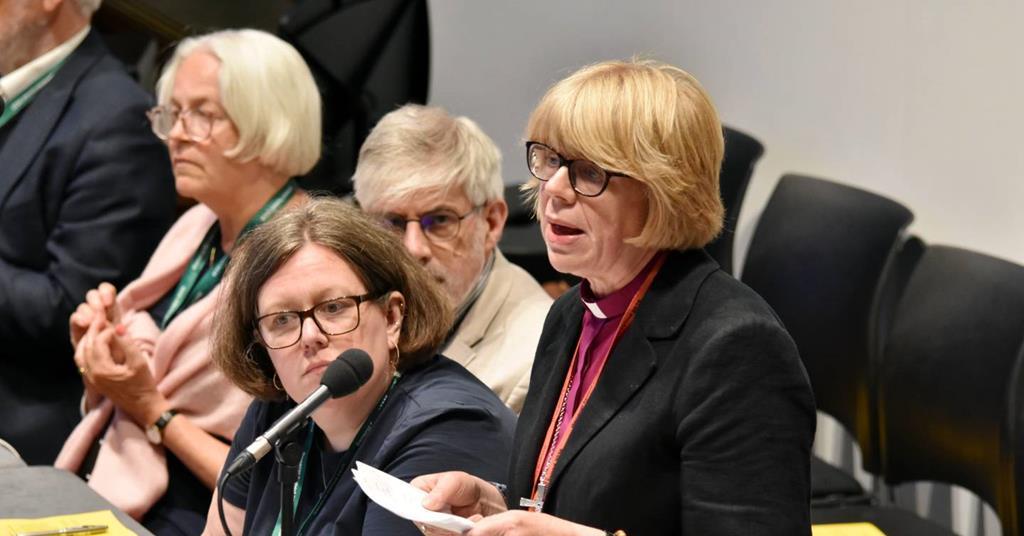
During the General Synod, Archbishop Sarah highlighted the suffering of Palestinian Christians, describing their plight as emerging from the devastation in Gaza and the oppression in the West Bank. This statement aligns with the Synod’s controversial vote, which has been criticized for its portrayal of Israel. The Kairos Palestine II document, which accuses Israel of “genocide” and labels it as “racist” and colonialist, has been particularly contentious. The document’s language echoes the International Holocaust Remembrance Alliance’s definition of antisemitism, a definition adopted by the Church of England in 2018, raising concerns among both Jewish and Christian leaders.
Critics argue that the document’s accusations are extreme and unsupported by evidence. They point to historical documents such as the Balfour Declaration and Israel’s Declaration of Independence, which emphasize equality and coexistence. The Jewish scriptures also advocate for equality and love for both Jews and non-Jews in the land, a principle reflected in Israel’s diverse and multi-ethnic democracy. This diversity is evident in the full legal equality of Arabs within Israel and their active participation in all levels of society.
The Church of England’s position has prompted calls for a more balanced approach that acknowledges the complexities of the conflict. As the community seeks to bridge divides, it is essential to engage in dialogue that respects differing perspectives while striving for peace and justice. This approach aligns with the biblical principle of seeking peace and acting justly, as highlighted in Micah 6:8. As Christians, the call to love one’s neighbor and seek reconciliation remains paramount, urging a path forward that honors the dignity and rights of all involved.
Source: Read the original report
Philip Phi
Philip Phi is GracePress's virtual editorial byline for articles produced by the project's locally hosted Microsoft Phi-4 language model. He does not independently report, interview sources, or witness events. Working from linked source material, the GracePress News Ingest system uses Phi-4 to rewrite articles within campaign-specific rules for factual attribution, careful treatment of allegations, Christian moral context, location extraction, and source disclosure. Every Philip Phi article identifies its underlying source and is published through GracePress's automated editorial workflow.