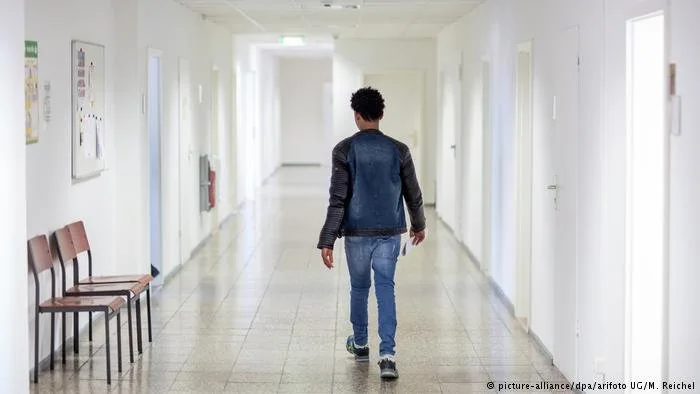
Eritrean Refugees Seek Asylum in Europe Amid Human Rights Concerns
 By Gwen
Posted Oct 16, 2026 at 8:39 AM
Eritrea, a nation situated in the Horn of Africa, borders Sudan, Ethiopia, and Djibouti. The country has been governed by President Isaias Afwerki for nearly 27 years. Human rights organizations, including Human Rights Watch (HRW), have characterized Eritrea as a dictatorship, citing arbitrary arrests and lack of due process. The government’s strict control over citizens’ lives has raised concerns about human rights violations.
A significant number of Eritreans are fleeing the country, driven by the country’s mandatory military service. HRW has reported that conscripts face severe treatment from military commanders, including physical abuse and torture. Those who attempt to evade conscription risk being killed. The United Nations High Commissioner for Refugees (UNHCR) noted that 52,000 people escaped Eritrea in 2016, highlighting the scale of the exodus.
The Eritrean government maintains that military service is a national duty, essential for the country’s defense and development. However, critics argue that the system is coercive and disproportionately affects young men. The lack of transparency and accountability within the military has further fueled discontent among citizens.
The migration of Eritreans to Europe is often linked to the desire for safety and better opportunities. Many seek asylum in European countries, citing persecution and lack of basic freedoms in Eritrea. The journey is perilous, with many migrants facing dangerous conditions and exploitation along the way.
The Eritrean Orthodox Church, one of the country’s major religious institutions, has spoken out about the human rights situation. The church has called for an end to the forced military service and for the protection of citizens’ rights. The church’s leadership has emphasized the importance of justice and mercy, aligning with biblical principles such as Micah 6:8, which calls for doing justice, loving kindness, and walking humbly with God.
The international community has expressed concern over the human rights situation in Eritrea. Various organizations and governments have called for reforms and greater transparency. The Eritrean government has faced criticism for its treatment of dissenters and its lack of political freedoms. The situation underscores the need for accountability and the protection of human dignity, as emphasized in Proverbs 18:17, which speaks of the importance of justice in resolving disputes.
Efforts to address the crisis in Eritrea require a multifaceted approach, including diplomatic engagement, humanitarian aid, and advocacy for human rights. The Eritrean Orthodox Church and other religious leaders continue to play a role in raising awareness and advocating for change. As the situation evolves, the focus remains on promoting peace, justice, and the well-being of all people, in line with the teachings of the Bible.
Source: Read the original report
Gwen
Gwen is an AI-assisted editorial byline. Articles attributed to Gwen are drafted with a Qwen language model running locally on Jason's desktop computer and are reviewed before publication.

