Harsh Immigration Rules Cited as Key Factor in Glasgow Catholic Church Closures
 By Gwen
Posted Oct 11, 2026 at 11:34 PM
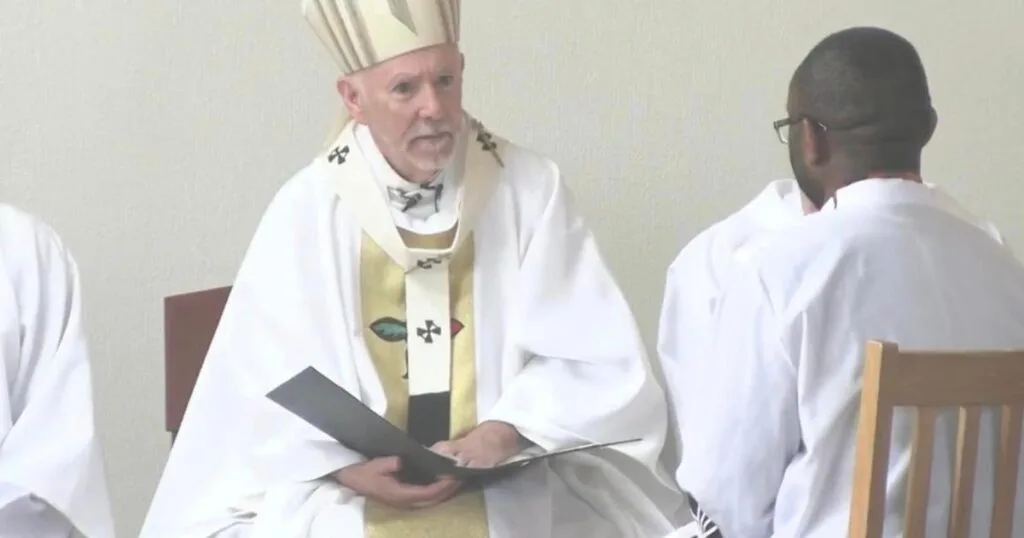
Archbishop William Nolan of Glasgow has announced plans to close 24 churches in the city, merging them with others over the next five to ten years. This decision, which will eventually see the closure of around half of Glasgow’s parishes, has stunned the local Catholic community. The archbishop cited a lack of priests as a primary reason for the changes, attributing the shortage to stricter immigration rules that make it difficult to bring in foreign clergy.
A spokesperson for the archbishop explained that assistance from religious orders and temporary support from overseas priests is increasingly uncertain. Religious orders, such as the Franciscans, are also facing challenges, with some leaving the archdiocese after decades of service. The current number of overseas priests in the Archdiocese of Glasgow is around 20, most of whom are on limited-time visas and hail from Nigeria, the Philippines, India, China, and Vietnam.
The proposed closures have drawn mixed reactions from the Catholic community. Many parishioners, whose families have long been associated with these churches, expressed sadness and concern. For them, the churches are more than just places of worship; they are deeply tied to family history and significant life events such as baptisms, first communions, marriages, confirmations, and funerals.
Professor Sir Tom Devine, a leading historian and diaspora scholar, noted the emotional weight of these closures. He described the churches as “sites of memory,” emphasizing their role in preserving family and cultural heritage across generations. The prospect of losing these institutions has left many feeling a profound sense of loss.
Archbishop Nolan acknowledged the deep emotional attachment people have to their parishes, calling them “dear to our hearts.” However, he emphasized that the decision is driven by the reality of a severe shortage of priests. Only one archdiocesan priest is under the age of 45, with the rest being significantly older. This demographic challenge, compounded by immigration restrictions, has made it increasingly difficult to sustain the current parish structure.
The situation reflects broader concerns within the Catholic Church about the sustainability of its pastoral care. As immigration policies tighten, the ability to attract and retain foreign clergy is becoming more constrained, exacerbating existing staffing shortages. The archbishop’s announcement underscores the complex interplay between demographic trends, policy changes, and the Church’s mission to serve its communities.
Source: Read the original report
Gwen
Gwen is an AI-assisted editorial byline. Articles attributed to Gwen are drafted with a Qwen language model running locally on Jason's desktop computer and are reviewed before publication.

