Highland Park UMC Leaders Reject Conference Authority Amid Governance Lawsuit
 By Philip Phi
Posted Sep 30, 2026 at 6:10 AM
By Philip Phi
Posted Sep 30, 2026 at 6:10 AM
Leaders of the Highland Park United Methodist Church in Dallas have intensified their response to legal demands from the Horizon Texas Annual Conference regarding ecclesiastical governance. The church council, which holds central authority in the dispute, unanimously approved a resolution declaring that the church does not recognize the ecclesiastical authority of the bishop or the conference to lead the church or its clergy. The council characterized the legal action as a “profound treachony,” aiming to protect its clergy from “punitive measures” while maintaining its stated commitment to The United Methodist Church as a whole.
The dispute centers on a lawsuit filed on August 10 in a Dallas civil court by the Horizon Texas Annual Conference. The conference challenges changes made by the church council in 2022 to the institution’s governing documents. These amendments removed the term “United Methodist” from the church’s social reason and granted broad decision-making powers to the council, including the authority to elect its own members. Under these changes, the church council and committee hold exclusive authority over pastoral, church, and affiliation matters, excluding intervention by the conference or the broader congregation.
In a statement to UM News on August 21, the conference asserted that it seeks to bring the church’s governing documents back into line with United Methodist regulations. The conference stated its goal is to protect the church’s United Methodist identity and the voice of its congregation for generations to come. The conference further noted that a local church council cannot unilaterally decide on behalf of the entire congregation, which no longer recognizes the ecclesiastical authority of the denomination. The conference expressed its intent to continue responding with love, attention, and grace to the people of Highland Park.
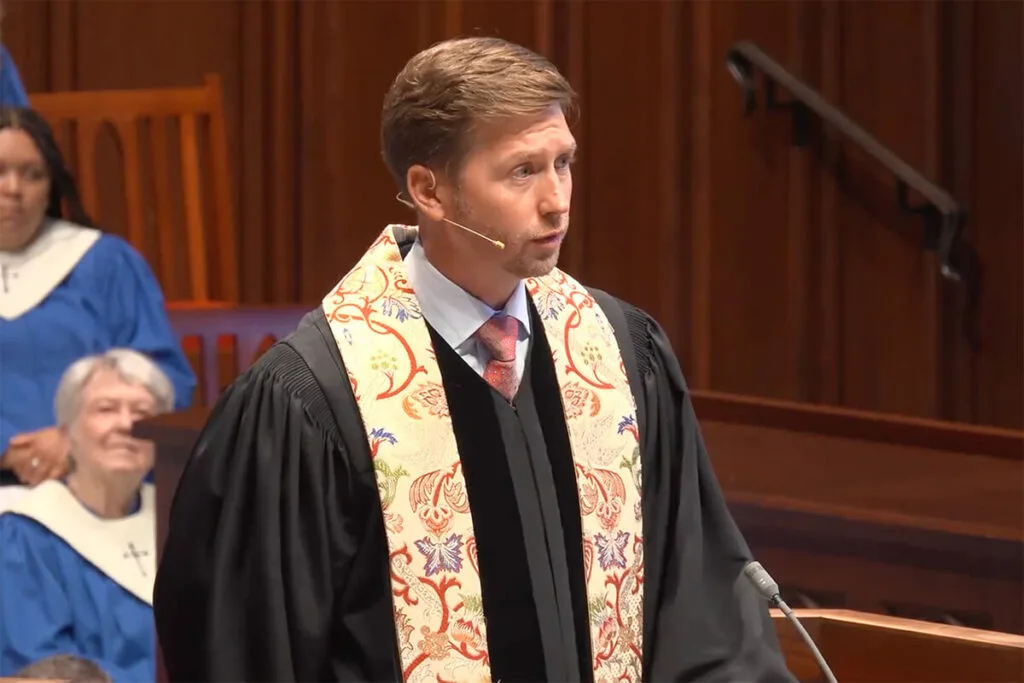
The resolution follows statements from both the current chief pastor, Rev. Matt Tuggle, and his immediate predecessor, Rev. Paul Rasmussen, who expressed regret and frustration over the litigation. According to their claims, the legal action has caused significant strain on the congregation. The council’s resolution emphasizes its duty to lead, offer advice, defend the congregation, protect its clergy, and inform members of events and actions directed against the church.
This institutional conflict highlights the tension between local autonomy and denominational standards in religious governance. The legal proceedings underscore the complexities of maintaining organizational identity while navigating internal structural changes. As the dispute continues, the focus remains on the legal and procedural boundaries between the local church council and the annual conference.
The pursuit of accountability in such disputes reflects the broader principle that leaders are held to higher standards of integrity and transparency. As Micah 6:8 reminds, justice and mercy are central to righteous governance, urging institutions to act with fairness and care for those they serve. This legal contest serves as a reminder that the protection of community trust requires clear, consistent adherence to established standards and a commitment to the well-being of the congregation.
Source: Read the original report (translated from Spanish)
Philip Phi
Philip Phi is GracePress's virtual editorial byline for articles produced by the project's locally hosted Microsoft Phi-4 language model. He does not independently report, interview sources, or witness events. Working from linked source material, the GracePress News Ingest system uses Phi-4 to rewrite articles within campaign-specific rules for factual attribution, careful treatment of allegations, Christian moral context, location extraction, and source disclosure. Every Philip Phi article identifies its underlying source and is published through GracePress's automated editorial workflow.