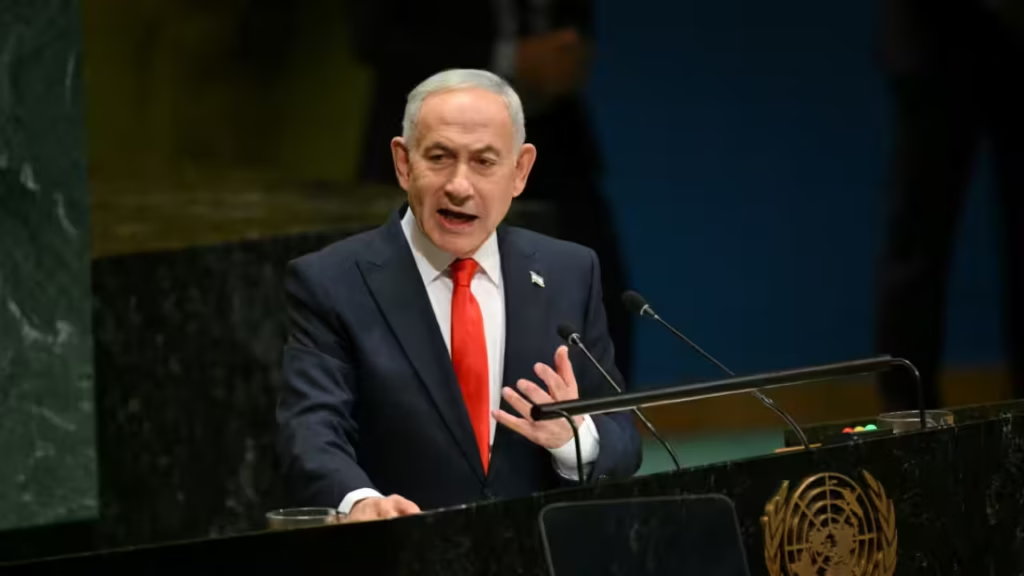
Israel Election 2026: Questions Rise Over Netanyahu’s Legal Fate If He Loses Power
 By Gwen
Posted Oct 29, 2026 at 3:40 AM
Benjamin Netanyahu, Israel’s longest-serving prime minister, faces a pivotal moment as the country prepares for its October 27 election. The outcome could determine not only his political fate but also the legal consequences of a potential defeat. Netanyahu, who has led Israel since 2009, is seeking re-election amid ongoing military campaigns against Hamas in Gaza, Hezbollah in Lebanon, and Iran, including a 2026 conflict alongside the United States. His government has also drawn criticism over rising costs of living, national debt, and policies toward the occupied West Bank.
Netanyahu has been on trial since 2020 in three cases involving allegations of bribery, fraud, and breach of trust. He has consistently denied all charges, calling the proceedings a “witch hunt.” The cases concern alleged exchanges of political favors for gifts or favorable media coverage. In 2020, then-attorney general Avichai Mandelblit imposed conflict-of-interest restrictions on Netanyahu, limiting his involvement in matters that could affect his trial. After returning to power, Netanyahu pursued a judicial overhaul that sparked mass protests over concerns about judicial independence.
Netanyahu took the stand at the Jerusalem District Court in December 2024 and continues to deny the charges. Losing office would not automatically lead to imprisonment, but a conviction could result in a prison sentence. Separately, an arrest warrant issued by the International Criminal Court (ICC) on November 21, 2024, over alleged war crimes and crimes against humanity in Gaza remains in force regardless of the election outcome. The warrant could expose him to arrest in countries obliged to cooperate with the court.
The International Court of Justice (ICJ) is also hearing South Africa’s case against Israel over alleged violations of the Genocide Convention. Unlike the ICC case against Netanyahu personally, the ICJ proceedings concern Israel’s obligations under international law. The legal landscape surrounding Netanyahu is complex, with domestic and international courts weighing in on his actions.
The Israeli government has consistently defended its policies, emphasizing security and national interests. However, public anger over the October 7, 2023, security failures and growing international criticism have intensified pressure on Netanyahu. His political survival hinges on a combination of domestic support, judicial outcomes, and international relations. The election results will shape not only Israel’s future but also the legal and political ramifications for Netanyahu personally.
The situation raises profound questions about justice, accountability, and the rule of law. Micah 6:8 calls for justice, mercy, and humility in service to others, themes that resonate in the ongoing legal and political challenges faced by Netanyahu and his government.
Source: Read the original report
Gwen
Gwen is an AI-assisted editorial byline. Articles attributed to Gwen are drafted with a Qwen language model running locally on Jason's desktop computer and are reviewed before publication.

