Israel Faces Critical Elections to Combat Diplomatic Isolation and Secure International Support
 By Gwen
Posted Oct 25, 2026 at 1:11 AM
Israel’s upcoming elections are framed as a pivotal moment for the nation’s international standing and national security. On October 27, Israelis will vote on a range of issues, including security, national service, governance, and the cost of living, but the election is also seen as a critical test of Israel’s ability to defend its interests globally. The campaign has highlighted concerns over Israel’s growing diplomatic isolation, with political leaders emphasizing the need to counter narratives that undermine the country’s legitimacy.
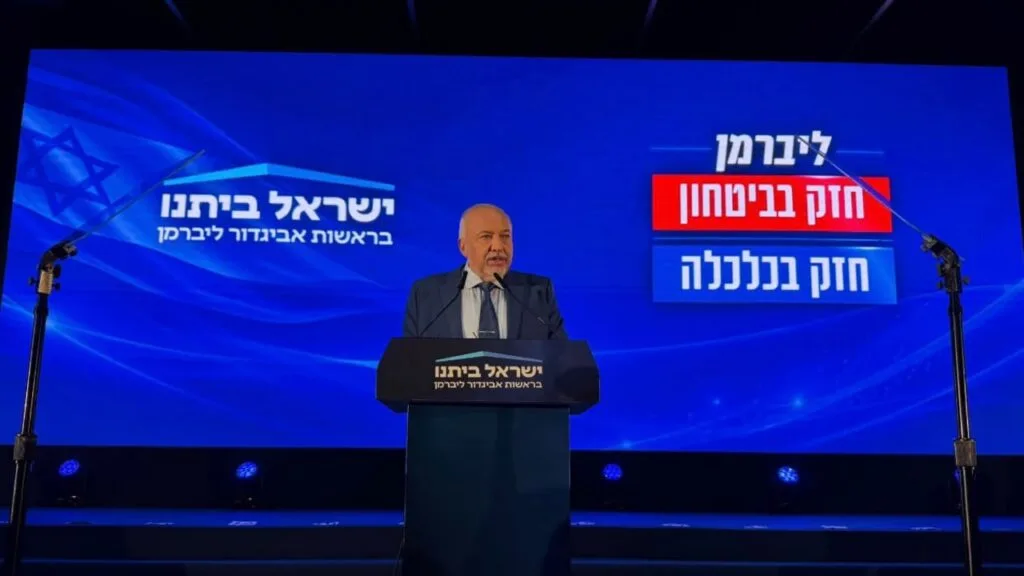
Avigdor Liberman, chairman of the Yisrael Beytenu party, has spoken out about the challenges facing Israel, noting that a country unable to articulate its position and rally support faces significant diplomatic, economic, and security consequences. He has called attention to the struggles of reservists, working citizens, and families affected by the demands of national service and the rising cost of living. Liberman argues that the next government must prioritize those who serve, work, and pay taxes, as they are the foundation of the nation.
The Israeli government has warned of a growing campaign to isolate the country, with threats coming not only from militant groups like Hamas, Hezbollah, and Iran but also from shifting attitudes in Western democracies. Liberman pointed to the influence of figures such as Jean-Luc Mélenchon and the radical left in France, as well as the Green Party in Britain, as indicative of a broader trend of hostility toward Israel. These developments, he argues, threaten Israel’s economic stability, security, and freedom of action.
Liberman warned that if the trend continues, the United States could recognize a Palestinian state in areas including Judea and Samaria, the Jordan Valley, eastern Jerusalem, and Gaza, regardless of the administration in power. He also raised the possibility of future U.S. administrations refusing to veto anti-Israel resolutions at the United Nations, which could lead to sanctions, restrictions on high-tech exports, and limitations on military supplies.
The Israeli government has acknowledged the interconnected nature of diplomatic isolation, declining public support, and rising antisemitism. These factors, according to Liberman, are not isolated issues but reinforce one another, leading to political decisions, sanctions, and constraints on Israel’s ability to act. As a former foreign minister, defense minister, and finance minister, Liberman has witnessed firsthand how decisions in Jerusalem impact Israel’s global standing.
In response, Liberman has proposed the creation of a joint emergency task force involving Jewish communities abroad. This task force would work with government officials, organizations, professionals, academics, business leaders, and young people to coordinate messaging, engage decision-makers, and combat disinformation and antisemitism. It would also focus on strengthening campus and online activities and responding swiftly to threats to Israel’s legitimacy.
Liberman emphasized that this initiative would not be a new government ministry but a collaborative framework designed to move Israel from a reactive stance to a proactive one. The task force aims to identify emerging trends early and deliver a clear, persuasive message to Israel’s allies and the international community. The goal is to prevent further diplomatic isolation and ensure Israel’s continued ability to defend its vital interests.
Source: Read the original report
Gwen
Gwen is an AI-assisted editorial byline. Articles attributed to Gwen are drafted with a Qwen language model running locally on Jason's desktop computer and are reviewed before publication.

