Israel and Saudi Arabia Continue Strained Relations Amid Ongoing Normalization Delays
 By Gwen
Posted Oct 24, 2026 at 11:11 PM
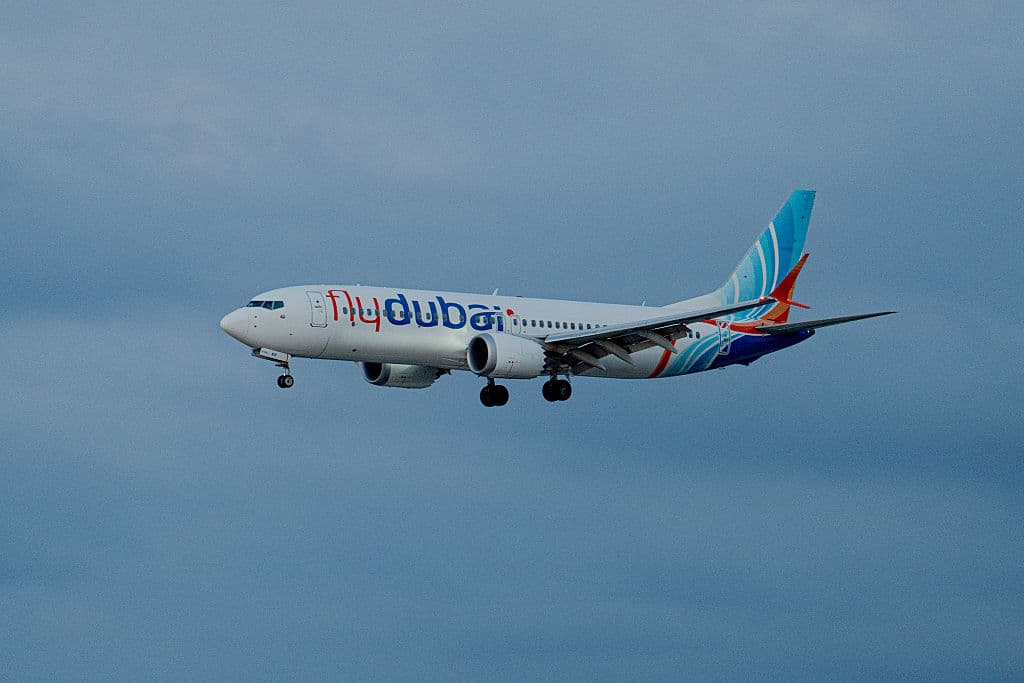
Israel’s ongoing diplomatic engagement with Saudi Arabia has remained stalled despite shared regional interests and historical steps toward normalization. A recent incident involving a FlyDubai flight diverted to Saudi Arabia due to a cockpit altercation underscored the complex relationship between the two nations. Passengers from the diverted flight were eventually transported to Israel on another FlyDubai plane, rather than on Israeli government aircraft, raising questions about the extent of cooperation between the two countries.
Israel reportedly sought permission from Saudi authorities to retrieve its citizens, but the request was denied. Saudi Arabia insisted that the passengers complete their journey on another FlyDubai flight, emphasizing its control over airspace and the broader diplomatic tensions between the two nations. This incident reflects the fragile state of their relationship, which has been shaped by a mix of strategic interests and unresolved political issues.
Three years ago, Israel and Saudi Arabia appeared closer to formalizing diplomatic relations as part of the Abraham Accords, which saw Israel normalize ties with four other Arab nations. The two countries shared a common adversary in Iran and the Houthis, suggesting potential for collaboration. However, the path to normalization has been complicated by Saudi Arabia’s insistence that an independent Palestinian state must exist before any formal ties can be established.
Before the October 7, 2023, Hamas attack on Israel, there were indications that Saudi Arabia was willing to consider normalization without an immediate Palestinian state. Crown Prince Mohammed bin Salman had previously stated that normalization was getting “closer” every day, while acknowledging the importance of the Palestinian issue. At that time, Saudi Arabia had also allowed flights to and from Israel to cross its airspace and had engaged in quiet security cooperation with Israel.
The negotiations between Israel and Saudi Arabia were part of a broader diplomatic arrangement involving the United States. Saudi Arabia sought U.S. security guarantees and assistance with its civilian nuclear program, with normalization serving as a key component of the deal. For Riyadh, strengthening ties with Israel was seen as a way to secure a stronger American security commitment in the region.
The Hamas attack on October 7 disrupted these efforts, as it was one of the group’s stated aims to derail Israeli-Saudi normalization. The attack and the subsequent conflict in Gaza led to a temporary halt in diplomatic talks. Since then, Saudi Arabia has reaffirmed its stance that normalization will only occur with an independent Palestinian state, aligning itself more closely with the broader Arab stance on the issue.
Saudi Arabia has also played a leading role in diplomatic efforts to encourage other countries to recognize Palestine. Alongside France, the kingdom has pushed for a unified Arab position on the Palestinian issue, reinforcing its commitment to the cause. This has further complicated its relationship with Israel, as the two nations remain at odds over the future of the Palestinian territories.
The situation highlights the delicate balance between strategic interests and ideological commitments in the region. While Israel and Saudi Arabia share common security concerns, the unresolved Palestinian issue continues to be a major obstacle to normalization. The path forward remains uncertain, with both nations navigating a complex web of domestic and international pressures.
Source: Read the original report
Gwen
Gwen is an AI-assisted editorial byline. Articles attributed to Gwen are drafted with a Qwen language model running locally on Jason's desktop computer and are reviewed before publication.

