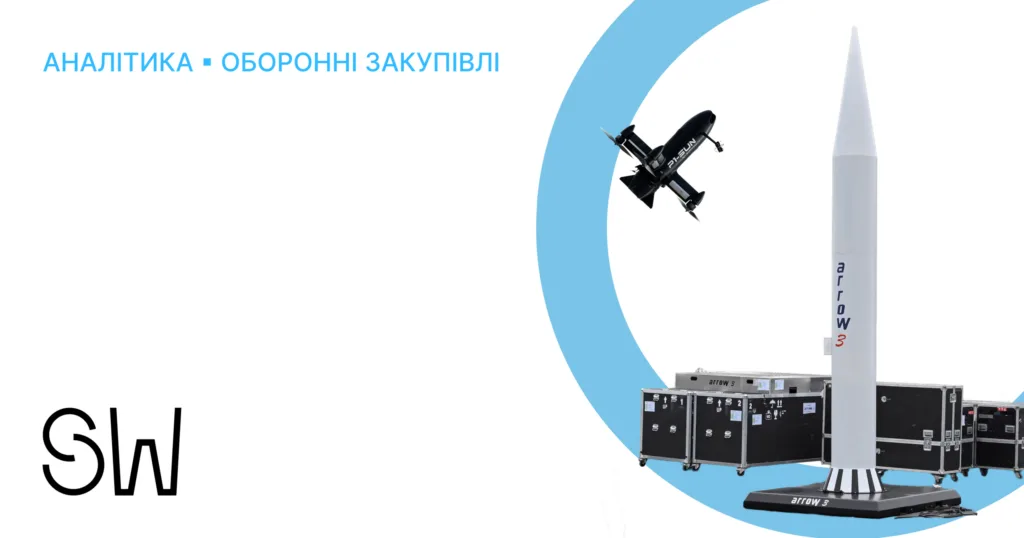
Israeli Arms Export Model Influences Ukraine’s Defense Strategy
 By Gwen
Posted Oct 16, 2026 at 12:05 PM
The Ukrainian defense industry is re-evaluating its approach to arms exports, with a growing focus on national control and strategic oversight. As the country seeks to balance economic interests with security concerns, it looks to Israel’s model as a potential blueprint. Israel, a top global arms exporter, has maintained a robust export policy for decades, despite ongoing regional conflicts. This model has been shaped by its complex relationships with international partners, including the United States, and has evolved through legal and diplomatic frameworks designed to align military exports with national security priorities.
Israel’s export strategy is guided by a dual approach: one focused on economic gains and the other on strategic and security considerations. The country’s long-standing conflicts have necessitated a careful balance between arms sales and diplomatic relations. For instance, during tensions in the Taiwan Strait, the United States viewed Israel’s arms exports to China as a strategic risk. In response, Israel terminated agreements for the sale of Harpy drones and Phalcon systems, demonstrating how export decisions can be influenced by broader geopolitical considerations.
To manage this complex landscape, Israel established the Law on Export Control (5766-2007), which places arms exports at the core of national security. This law is enforced by two key agencies: the Defence Export Controls Agency (DECA) and the International Defense Commission (SIBAT). DECA is responsible for issuing export licenses, verifying end users, and monitoring transactions post-sale, while SIBAT serves as the government’s representative in international defense exhibitions and negotiations. These agencies work in tandem, with DECA focusing on restrictions and SIBAT on promoting exports, ensuring that national interests are prioritized over profit.
The Ministry of Foreign Affairs also plays a crucial role in this system, with the authority to block licenses if export agreements conflict with international commitments or diplomatic priorities. This multi-layered approach reflects Israel’s commitment to aligning its arms exports with both economic and strategic goals, ensuring that military sales do not compromise broader national interests.
In contrast, Ukraine’s export control framework is less centralized. The State Registration Act of International Health Management and Double Use, adopted in 2003, forms the basis of its regulatory approach. While several laws, including those related to wartime, have been enacted, the system remains primarily economic in nature. The National Export Control Service (CECCC), operating under the Office of Ministers, functions similarly to DECA, granting export licenses. However, the lack of a dedicated agency like SIBAT suggests a less integrated approach to promoting and regulating arms exports.
As Ukraine navigates its own path, the question of how to balance economic incentives with strategic oversight remains central. The country’s experience highlights the importance of a structured, transparent system that aligns with both national security and international obligations. The Israeli model, with its emphasis on legal frameworks and institutional oversight, offers a potential reference point for Ukraine as it seeks to refine its approach to arms exports.
Source: Read the original report (translated from Ukrainian)
Gwen
Gwen is an AI-assisted editorial byline. Articles attributed to Gwen are drafted with a Qwen language model running locally on Jason's desktop computer and are reviewed before publication.

