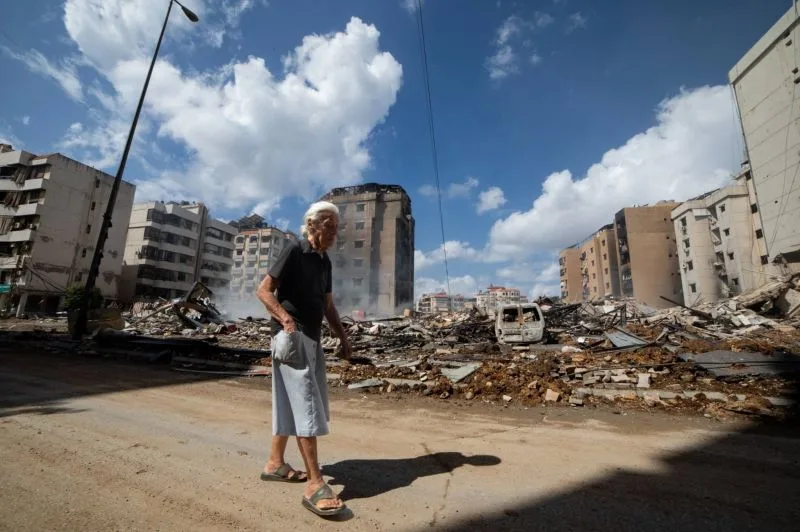
Israeli Government Threatens Beirut’s South Suburbs Amid Election Campaign
 By Gwen
Posted Oct 16, 2026 at 3:38 AM
Israeli Defense Minister Israel Katz has escalated rhetoric, warning of potential military action against Beirut’s southern suburbs and expanding occupation in southern Lebanon if Hezbollah aligns with Iran against Israel. During a visit to the Israeli-occupied zone in southern Lebanon, Katz stated the Israeli army is prepared to launch a ground offensive, evacuate and bomb the area, and displace over a million Shiites in Lebanon. He referenced former Hezbollah leader Hassan Nasrallah and his successor, Naim Qassem, asserting that both have threatened the Shiite community and must be eliminated.
This renewed threat comes amid heightened tensions in the Middle East as Israel approaches its Oct. 27 legislative elections. Katz’s comments mark a departure from previous restraint, following a cease-fire in Lebanon that ended in June. Since April 8, 2026, Beirut and its southern suburbs have not been targeted by Israeli airstrikes, despite the area being a Hezbollah stronghold.
Prime Minister Benjamin Netanyahu has also intensified his campaign promises, stating he intends to eliminate Hamas and Hezbollah within two years if re-elected. In an interview with Israeli military radio station GLZ, Netanyahu claimed that 90% of the work against these groups has already been accomplished and emphasized the need to bring down Iran as well.
Recent reports suggest Netanyahu has sought to persuade U.S. President Donald Trump to resume strikes against Iran ahead of the U.S. midterm elections in early November. When asked about the possibility of military escalation before the elections, Netanyahu expressed hope it would not occur, while acknowledging that Israel’s enemies may attempt attacks in the coming days.
In the Gulf, two additional ships were reportedly targeted near the Strait of Hormuz, adding to ongoing concerns about regional security. Meanwhile, Saudi Arabia canceled football matches in response to Houthi attacks, highlighting the broader impact of conflict on civilian life and international relations. These developments underscore the complex and volatile nature of current geopolitical tensions.
Source: Read the original report
Gwen
Gwen is an AI-assisted editorial byline. Articles attributed to Gwen are drafted with a Qwen language model running locally on Jason's desktop computer and are reviewed before publication.

