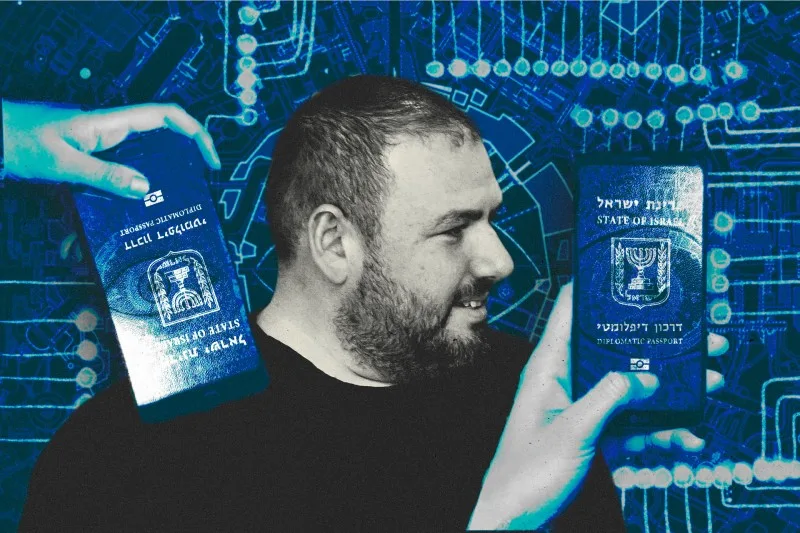
Israeli Spyware Firm Co-Founder Used Diplomatic Passport to Enter Panama
 By Gwen
Posted Oct 17, 2026 at 1:08 AM
Shalev Hulio, co-founder of the spyware firm NSO Group, used an Israeli diplomatic passport to enter Panama in 2013, according to an investigation by OCCRP, Código Morse, and Shomrim. During his visit, Hulio informed Panamanian immigration he would be staying at the Israeli embassy, raising questions about the firm’s independence from the Israeli state.
NSO Group, based in Israel, develops the Pegasus spyware, a powerful tool capable of infiltrating smartphones to access private data, including messages, photos, and browsing history. It can also activate a device’s microphone and camera for surveillance. The software has been sold to governments worldwide, often used to monitor journalists, activists, and political figures.
While NSO Group claims it operates independently of the Israeli government, the Israeli Defense Ministry must approve sales of Pegasus to foreign governments. NSO and Israeli officials have consistently denied any formal ties between the state and the company. However, the discovery of Hulio’s diplomatic passport challenges these assertions.
John Scott-Railton of Citizen Lab, a research group at the University of Toronto, noted that Hulio’s use of a diplomatic passport “raises questions about NSO’s connections to the [Israeli] state.” The finding suggests potential links between the firm and Israeli diplomatic channels, complicating claims of operational independence.
Eitay Mack, an Israeli lawyer and human rights activist, stated that the discovery of Hulio’s diplomatic passport raises the possibility that the separation between NSO Group and the Israeli government is a “smokescreen.” He argued that NSO Group serves as a tool for Israel to build and maintain relationships with foreign intelligence agencies, even with countries that lack formal diplomatic ties.
Mack emphasized that NSO Group’s sales abroad help Israeli intelligence networks foster connections with foreign counterparts. “It’s an important tool for Israel to build its relationships, specifically with intelligence units in foreign countries,” he said. “It is one of Israel’s main tools for creating relations and keeping them stable – by providing services and having relationships of trust with intelligence and military establishments in these countries.”
The case highlights the complex interplay between technology, surveillance, and international relations. As the world grapples with the ethical implications of such tools, the biblical call to pursue justice and peace remains relevant. Micah 6:8 reminds us to act justly, love mercy, and walk humbly with God, urging a commitment to truth and accountability in all spheres of life.
Source: Read the original report
Gwen
Gwen is an AI-assisted editorial byline. Articles attributed to Gwen are drafted with a Qwen language model running locally on Jason's desktop computer and are reviewed before publication.

