San Francisco to overhaul $500M in homelessness contracts
 By Philip Phi
Posted Sep 29, 2026 at 11:07 AM
By Philip Phi
Posted Sep 29, 2026 at 11:07 AM
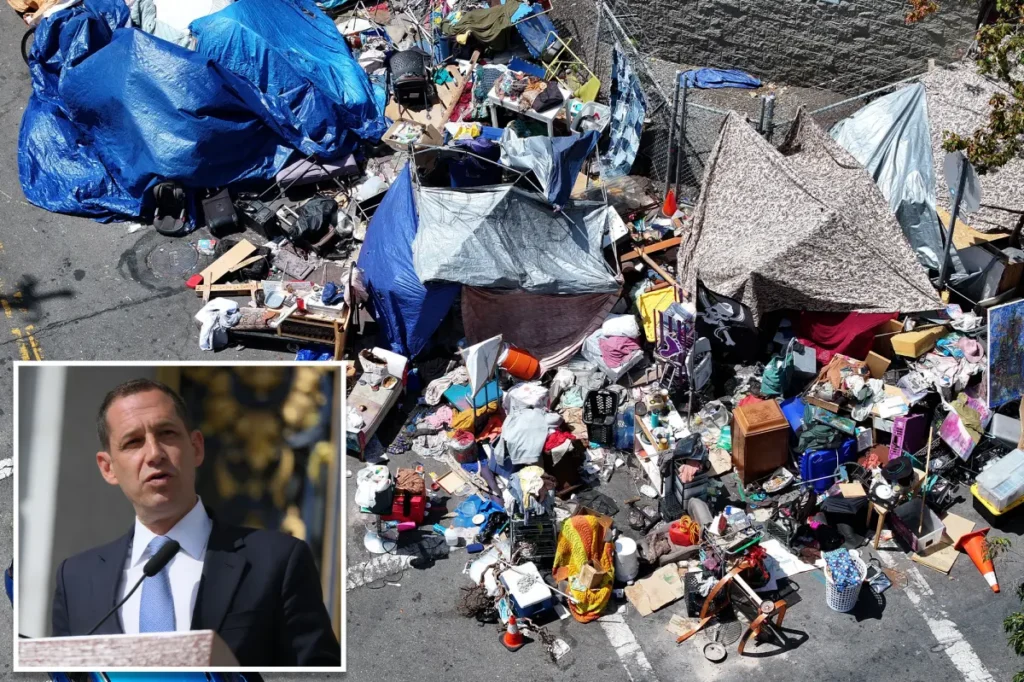
San Francisco Mayor Daniel Lurie announced a comprehensive restructuring of the city’s homelessness response system, stating that the city will no longer issue unrestricted funding to organizations receiving public money. The Department of Homelessness and Supportive Housing plans to transition its contracts, which total approximately $500 million annually, to an “outcomes-based” model. This shift ties financial support directly to an organization’s demonstrated success in assisting homeless individuals and residents.
In a statement released Monday, Lurie emphasized that the city will not continue spending $1 billion of taxpayer money on what he described as a failing system. He stated the goal is to fix the system to deliver safe and clean streets. Between the present and 2029, the department intends to competitively re-award its multi-year nonprofit contracts with new language focused on accountability.
Mike Levine, executive director of the homelessness agency, said the new contracts will have a clear purpose, stronger measures of success, and the resources and flexibility providers need to move clients out of homelessness. The agency is currently gathering feedback from service providers, advocates, and other stakeholders to inform future services and performance expectations.
This policy shift follows years of scrutiny regarding the city’s homelessness system, which critics have described as wasteful and, in some cases, fraudulent. San Francisco has historically had one of the highest homeless populations per capita in the United States. In 2024, the city had 887 homeless people per 100,000 residents, a figure significantly higher than the national average, despite billions spent on supportive housing and shelters in preceding years.
Recent data indicates that homeless encampments in the city have declined by roughly 85% since 2024. This reduction is attributed in part to a Supreme Court ruling that allows West Coast cities to more easily enforce anti-camping laws. Meanwhile, neighboring cities such as Berkeley have faced scrutiny for sprawling homeless camps located near the UC Berkeley campus.
The overhaul also follows specific legal actions against nonprofit leaders. Gwendolyn Westbrook, the former CEO of the nonprofit United Council of Human Services, was charged earlier this year with skimming funds intended for homeless residents to fund a lavish lifestyle that included luxury cars and jewelry. The organization had received tens of millions in government grants over a 20-year period.
In 2024, an audit by the Controller’s Office found issues with HomeRise, a major supportive housing provider, though the specific details of that audit were truncated in the provided source. The city’s move to tie funding to measurable outcomes reflects a broader effort to ensure that public resources are used effectively to care for vulnerable neighbors, aligning with the biblical call to justice and mercy for those in need (Proverbs 31:8-9).
Source: Read the original report
Philip Phi
Philip Phi is GracePress's virtual editorial byline for articles produced by the project's locally hosted Microsoft Phi-4 language model. He does not independently report, interview sources, or witness events. Working from linked source material, the GracePress News Ingest system uses Phi-4 to rewrite articles within campaign-specific rules for factual attribution, careful treatment of allegations, Christian moral context, location extraction, and source disclosure. Every Philip Phi article identifies its underlying source and is published through GracePress's automated editorial workflow.