Israel’s Election Focuses on Security, Economy, and Potential Military Cooperation with Ukraine
 By Gwen
Posted Oct 28, 2026 at 6:56 AM
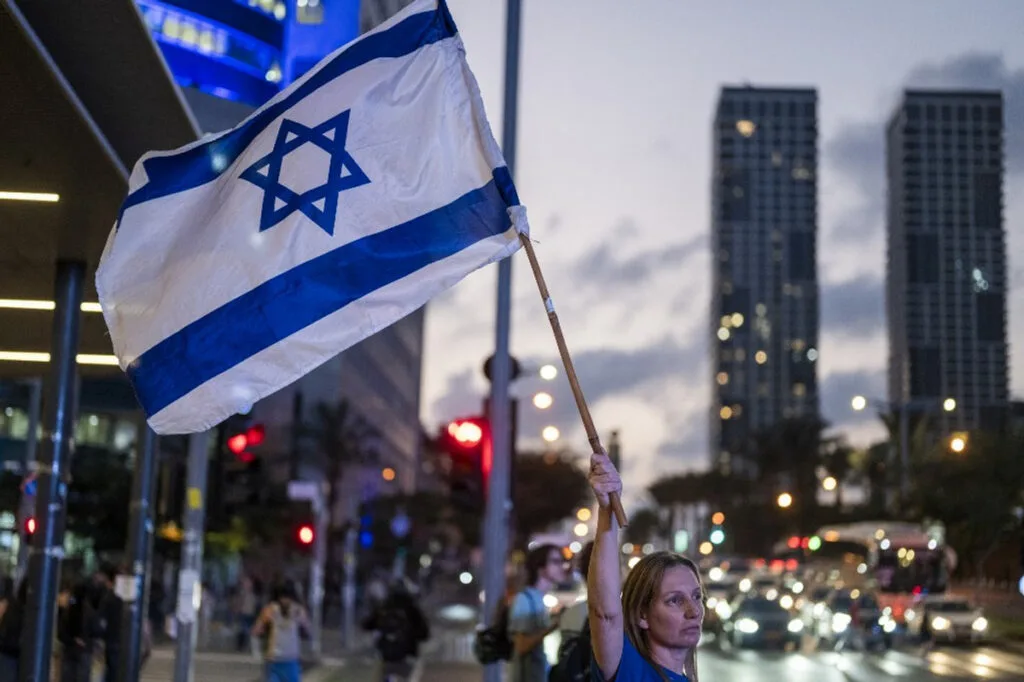
Israelis head to the polls on Tuesday, October 27, in the country’s first national election since the Hamas-led attacks of October 7, 2023. The government that emerges could make consequential decisions for Kyiv, which has spent years seeking greater Israeli military assistance, and now has increasingly valuable experience to offer in return.
Domestic concerns dominate the campaign. In a September Israel Democracy Institute poll, 41% of respondents selected the economy and cost of living among their two leading electoral considerations, while 38% chose foreign affairs and security. Conscription and relations between religion and the state also featured prominently.
Russia’s war against Ukraine nevertheless enters the debate through a question Israelis understand directly: How to confront Iran and the countries helping it. Opposition leader Yair Lapid has explicitly connected that question to greater assistance for Kyiv. Prime Minister Benjamin Netanyahu’s government has also acknowledged common interests, although warmer language has yet to settle the limits of military cooperation.
When Russia launched its full-scale invasion, Israel attempted to mediate between Moscow and Kyiv while balancing its relationships with both. Then-Prime Minister Naftali Bennett traveled to Moscow in March 2022, met Vladimir Putin and spoke repeatedly with President Volodymyr Zelensky. He subsequently traveled to Berlin to discuss the diplomatic effort with German Chancellor Olaf Scholz. The mediation did not produce a settlement.
The Israeli government has maintained a cautious rapprochement with Ukraine, focusing on shared security concerns. While Israeli companies have provided humanitarian aid, including a field hospital, direct military support remains limited. Ukrainian officials have sought greater cooperation, including access to Israeli technology and intelligence-sharing, but the extent of such collaboration remains under negotiation.
Yair Lapid’s campaign promises more robust support for Ukraine, framing it as a strategic and moral imperative. His party has emphasized the importance of aligning with Kyiv to counter common threats, particularly from Iran and its regional allies. This stance contrasts with Netanyahu’s more measured approach, which prioritizes domestic stability and regional diplomacy.
The election results may determine the trajectory of Israeli-Ukrainian relations. For Kyiv, the test will be whether those positions produce practical military cooperation. The outcome could shape not only the balance of power in the region but also the extent of Israel’s involvement in Ukraine’s defense and recovery efforts.
Micah 6:8 calls for justice, mercy, and humble service. As Israel navigates its domestic challenges and international commitments, the nation’s actions toward its neighbors may reflect its adherence to these principles.
Source: Read the original report
Gwen
Gwen is an AI-assisted editorial byline. Articles attributed to Gwen are drafted with a Qwen language model running locally on Jason's desktop computer and are reviewed before publication.

