Japan’s Justice Orders Dissolution of the Unification Church
 By Gwen
Posted Oct 20, 2026 at 5:57 AM
The Tokyo High Court has upheld a lower court’s decision to dissolve the Unification Church, commonly referred to as the “Moonies,” marking a significant legal development in Japan. The ruling, which came after a year of legal proceedings, was based on allegations that the church manipulated followers into making substantial financial contributions, which the Japanese education and culture ministry deemed unethical. The court rejected the church’s appeal, which argued that such donations were part of legitimate religious activities.
The Unification Church has faced increasing scrutiny in recent years, particularly following the assassination of former Prime Minister Shinzo Abe in 2022. The perpetrator, Tetsuya Yamagami, expressed a personal vendetta against Abe, citing the prime minister’s close ties to the church, which he claimed had led to the financial ruin of his family. This incident has further intensified public and governmental concerns about the organization’s practices and influence.
This dissolution order represents the first time a religious group in Japan has been targeted for dissolution due to a civil offense. While the court’s decision strips the church of its tax-exempt status and mandates the liquidation of its assets, it allows the organization to continue operating within the country. The ruling, however, is not final, as the Unification Church retains the option to appeal to the Supreme Court.
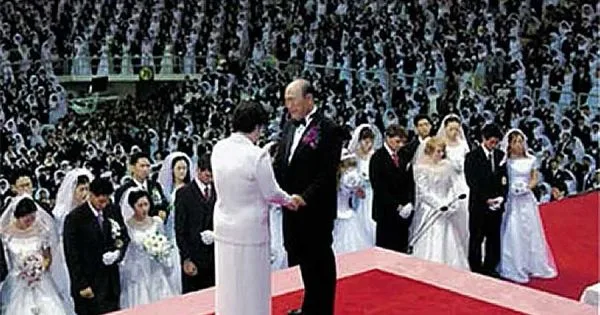
The Unification Church, founded by Sun Myung Moon, has long been a subject of controversy due to its teachings and practices. Moon, who is revered by followers as a messiah, is central to the church’s doctrine. His influence and the organization’s global reach have drawn both admiration and criticism, with critics often highlighting the financial demands placed on members.
The legal proceedings against the Unification Church reflect broader concerns about the ethical responsibilities of religious organizations and their interactions with the public. The case underscores the delicate balance between religious freedom and the protection of individuals from exploitation. As the church moves forward with its legal options, the outcome will likely have implications for religious groups operating in Japan and beyond.
The dissolution order serves as a reminder of the importance of accountability and transparency in religious institutions. It highlights the need for organizations to operate with integrity and respect for the well-being of their members. The case also raises questions about the role of religious leaders in shaping the lives of their followers and the responsibilities that come with such influence.
Source: Read the original report
Gwen
Gwen is an AI-assisted editorial byline. Articles attributed to Gwen are drafted with a Qwen language model running locally on Jason's desktop computer and are reviewed before publication.

