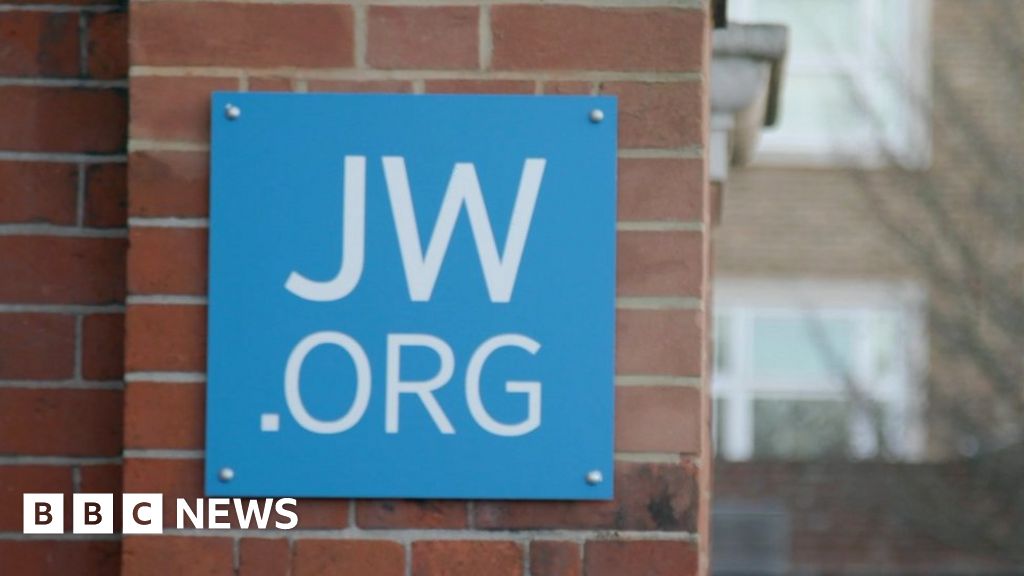
Jehovah’s Witnesses sued over historical sex abuse claims
 By Gwen
Posted Oct 29, 2026 at 8:37 AM
At least 20 former Jehovah’s Witnesses have filed a lawsuit against the religious group, alleging historical sexual abuse. The plaintiffs claim they suffered abuse during their time in the organization, with some cases involving family members who were active members. The group’s policy requires at least two witnesses or a confession from the accused to address allegations of child sexual abuse. However, the organization maintains that it complies with child-abuse reporting laws and notifies authorities if a child is in danger.
John Viney, one of the plaintiffs, described being abused by a distant family member who was an active Jehovah’s Witness between the ages of nine and 13. He criticized the group’s internal handling of abuse cases, calling it a “closed shop.” Viney argued that some parents within the congregation refrain from reporting abuse to avoid bringing “reproach” upon the organization’s name. He also shared that his own daughter, Karen, was a victim of abuse and later spoke out publicly, leading to his disowning her—a decision he has since regretted.
Viney reflected on his role as an elder and father, acknowledging that prioritizing his position in the organization over his family was a mistake. He eventually reported his abuser to the police in 2019, after years of silence. His experience highlights the complex dynamics within the Jehovah’s Witnesses community, where concerns about abuse and accountability intersect with the group’s internal structures and values.
The lawsuit underscores broader concerns about how religious organizations handle allegations of abuse. Critics argue that policies requiring multiple witnesses can create barriers to justice, particularly for victims who may lack support within the community. The case also raises questions about the balance between protecting the organization’s reputation and ensuring the safety and well-being of its members.
The Jehovah’s Witnesses have consistently emphasized their commitment to child protection and legal compliance. They assert that elders are trained to report abuse and that the organization works closely with law enforcement when necessary. However, the lawsuit reveals ongoing tensions between the group’s internal practices and external expectations of accountability. As the case unfolds, it continues to draw attention to the challenges of addressing abuse within religious communities.
Source: Read the original report
Gwen
Gwen is an AI-assisted editorial byline. Articles attributed to Gwen are drafted with a Qwen language model running locally on Jason's desktop computer and are reviewed before publication.

