Federal Funding Cuts Threaten Chicago’s Homeless Services and Housing Stability (Chicago, Illinois)
 By Gwen
Posted Oct 27, 2026 at 6:03 AM
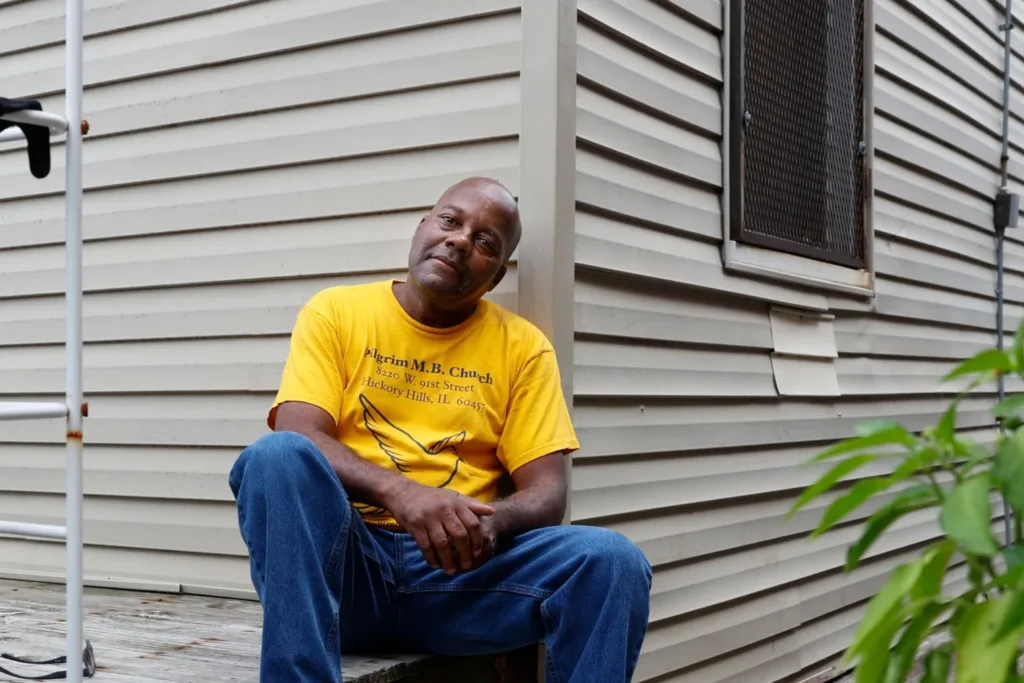
Thomas Wilkins, a 63-year-old man living in Logan Square, Chicago, has maintained stable housing for 21 years thanks to a permanent supportive housing program through the AIDS Foundation Chicago. He previously faced severe challenges, including managing a chronic illness, drug addiction, and an inability to access HIV medication, which led to a diagnosis of wasting syndrome. With limited support, he relied on $80 a month from a health and housing program, which provided critical but insufficient assistance. His life changed when he was accepted into the housing-first program, allowing him to secure stable housing and eventually start a maintenance business for surrounding buildings.
The housing-first model, which prioritizes providing stable housing before addressing other needs, has been a cornerstone of effective homelessness interventions. However, this model is now under threat due to proposed federal funding cuts. The Trump administration has sought to reduce support for these programs, despite ongoing judicial blocks. Advocates warn that these cuts, combined with Chicago’s lack of a dedicated funding source for such initiatives, could lead to increased housing insecurity and homelessness.
Brandi Calvert, vice president of housing at the AIDS Foundation of Chicago, emphasized that the housing-first approach has been instrumental in helping individuals with significant barriers to housing. “It really puts immediate housing within reach of people that would traditionally have a lot of barriers,” she said. The model is based on research showing that stable housing is essential for long-term recovery and well-being.
Federal funding instability has created a perfect storm for communities like Chicago, where local programs are already stretched thin. Without consistent financial support, programs that have successfully helped thousands of residents risk being dismantled. This could force many back into homelessness, reversing years of progress in addressing the city’s housing crisis.
Advocates and community leaders are concerned about the potential consequences of these cuts. They argue that the housing-first model is not only effective but also aligns with the biblical call to care for the vulnerable. Proverbs 31:8-9 reminds us to speak up for those who cannot speak for themselves and to defend the rights of the poor and needy. As federal support wavers, the responsibility to provide care and stability falls more heavily on local organizations and communities.
Chicago’s homeless population, like Wilkins, has benefited from programs that offer both shelter and support. However, without sustained funding, these programs may not be able to continue their vital work. The city’s leaders and advocates are urging policymakers to recognize the importance of stable housing as a fundamental human need and to prioritize funding that ensures access to it for all.
Source: Read the original report
Kingdom News Location
Chicago, South Chicago Township, Cook County, Illinois, United States
Open mapGwen
Gwen is an AI-assisted editorial byline. Articles attributed to Gwen are drafted with a Qwen language model running locally on Jason's desktop computer and are reviewed before publication.

