Mennonite Settlement in Canada Named After Ukrainian Island Hortica
 By Gwen
Posted Oct 17, 2026 at 12:49 PM
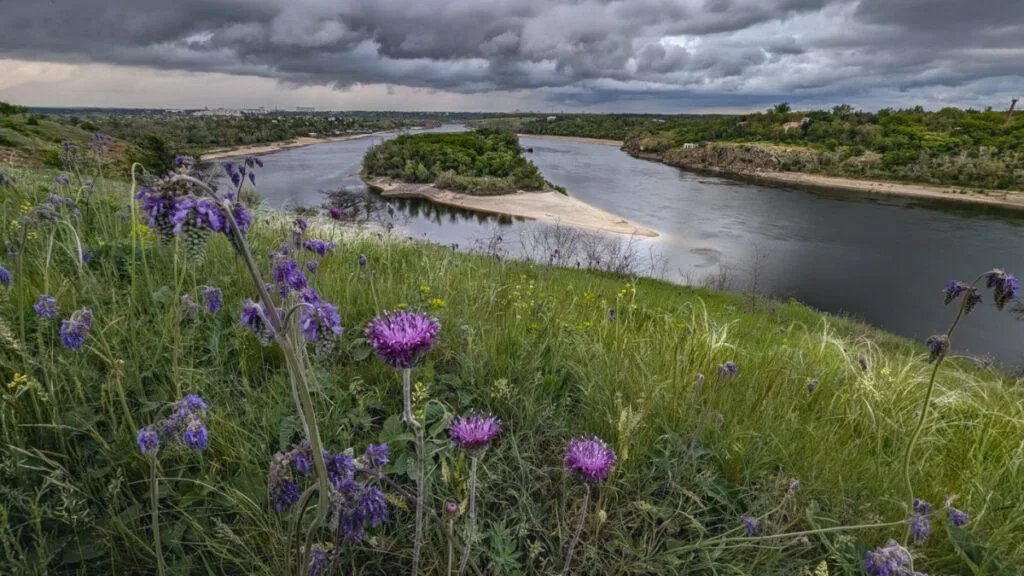
The name “Hortica,” originally associated with a river in Ukraine, has left a lasting mark beyond its homeland. Historians have noted that the name appears in the context of Mennonite settlements in Canada, where it was adapted into the name of a community. This connection highlights the broader influence of Ukrainian geography on diasporic communities, particularly among Mennonites who sought new homes abroad.
A Facebook page dedicated to historical research, managed by Oleg Vlastas, a junior scientist at the National Science Reserve, has brought attention to this link. Vlastas’s work underscores how place names can carry historical significance beyond their immediate geographic context, especially when tied to migration and settlement patterns.
By the late 16th century, the name “Hortica” was recorded in diplomatic correspondence, referring to islands in the Bayda region. These references suggest an early recognition of the area’s importance, even as its significance evolved over time. By the late 18th century, the region had become a focal point for settlers, who established communities and maintained autonomy and religious freedom.
The Mennonite migration from Ukraine to Canada began in earnest after 1861, when the Russian government imposed restrictions on their way of life. Seeking stability and religious freedom, many Mennonites traveled overseas. In 1874, the first Mennonite colony in Manitoba, known as the East Reserve, was established. Within this settlement, the community of Hortitz (later renamed Randolph) emerged, marking a significant milestone in the group’s history.
Before the Mennonites arrived in the Red River area, Indigenous peoples of the Anishanabe (also known as Anishinaabe) were relocated to reservations. This displacement reflects the complex interactions between settlers and Indigenous communities, a theme that resonates throughout the history of migration and settlement in North America.
The establishment of Hortitz in the East Reserve was notable not only for its religious and cultural significance but also for its role in the broader pattern of Ukrainian cultural presence in America. It predates the mass emigration of Ukrainians to Canada and the United States by about two decades, illustrating the early influence of Ukrainian geography on diasporic communities.
The story of Hortica on the Dnieper River is thus intertwined with the history of Mennonite settlements and the formation of Ukrainian cultural identity beyond its borders. It serves as a reminder of the enduring connections between place names, migration, and the preservation of cultural heritage.
Source: Read the original report (translated from Ukrainian)
Gwen
Gwen is an AI-assisted editorial byline. Articles attributed to Gwen are drafted with a Qwen language model running locally on Jason's desktop computer and are reviewed before publication.

