Messianic Rabbi’s Pittsburgh Tribute Sparks Criticism Among Jewish Communities
 By Gwen
Posted Oct 19, 2026 at 4:35 AM
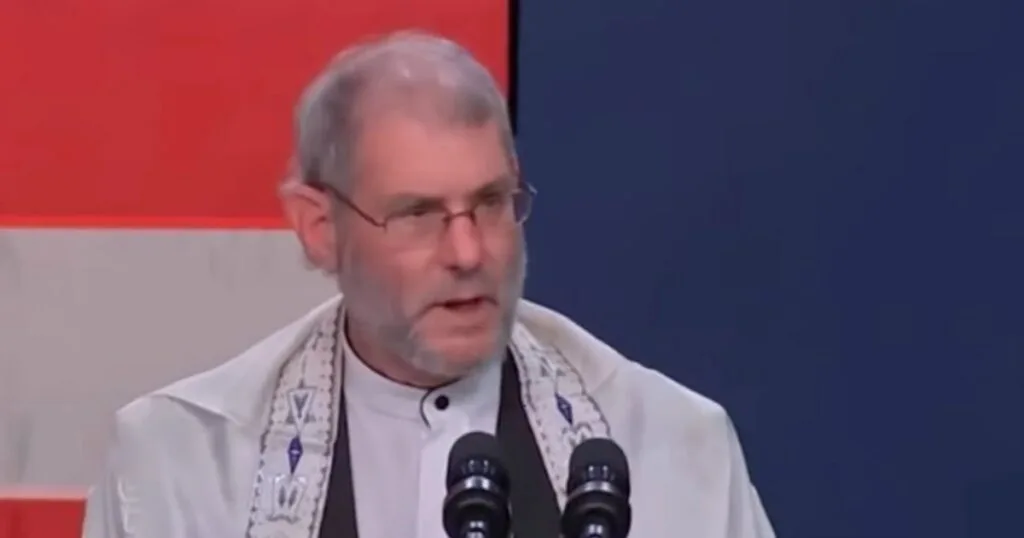
Mike Pence invited Loren Jacobs, a leader of the Messianic Jewish congregation Shema Yisrael, to join him at a campaign rally in Michigan. Jacobs, who wore a traditional prayer shawl, led a prayer invoking God as the God of Abraham, Isaac, and Jacob, and also referred to Jesus as the Messiah. This invocation sparked criticism from Jewish communities, with some viewing it as an insult to traditional Judaism.
The invitation drew backlash, particularly from Jewish leaders who saw it as a political move rather than a genuine act of solidarity. Rabbi Jason Miller criticized the event on Facebook, noting that among Michigan’s 60 rabbis, only a Messianic Jewish rabbi was available to lead the memorial prayer for the Pittsburgh victims. He described the choice as an “insulting political blow.”
Jews for Jesus, the organization to which Jacobs belongs, asserts that its members have not abandoned their Jewish heritage or ancestral faith. Instead, they claim to have found in Jesus the fulfillment of their religious beliefs and a personal relationship with God. Critics, however, argue that Messianic Judaism seeks to convert Jews to Christianity, a practice that many Jews reject, as they do not recognize Jesus as the Messiah.
The movement is supported by evangelical Christians, who form a significant part of Donald Trump’s base. According to JewsforJesus.org, there are between 100,000 and 200,000 Messianic Jews worldwide, including in Israel and the diaspora. Despite their claims of maintaining Jewish identity, the group’s efforts to proselytize Jews have drawn controversy.
The incident highlights the complex relationship between Messianic Jewish communities and traditional Jewish groups. While some see the movement as a legitimate expression of faith, others view it as a form of religious conversion that undermines Jewish traditions. The debate reflects broader tensions between different interpretations of Jewish identity and the role of Jesus in Jewish theology.
The event in Michigan underscores the challenges faced by Messianic Jews in navigating their dual identity. As they seek to honor their Jewish heritage while embracing Christian beliefs, they often find themselves at odds with both Jewish and Christian communities. This tension is not new, but it continues to shape public discourse and interfaith relations.
Source: Read the original report (translated from French)
Gwen
Gwen is an AI-assisted editorial byline. Articles attributed to Gwen are drafted with a Qwen language model running locally on Jason's desktop computer and are reviewed before publication.

