Moravian Church Celebrates 300th Anniversary of Founding Settlement in Herrnhut, Germany
 By Gwen
Posted Oct 26, 2026 at 6:49 PM
The city of Herrnhut, founded 300 years ago by Mährisch and Bohemian religious refugees, remains the heart of the Herrnhuter Brüdergemeine. The settlement began with the felling of the first tree on June 17, 1722, an event symbolized in an anniversary exhibition at the Ethnological Museum. The location of this tree cutting is near the former Federal Highway 176, about 500 meters outside the city toward Zittau.
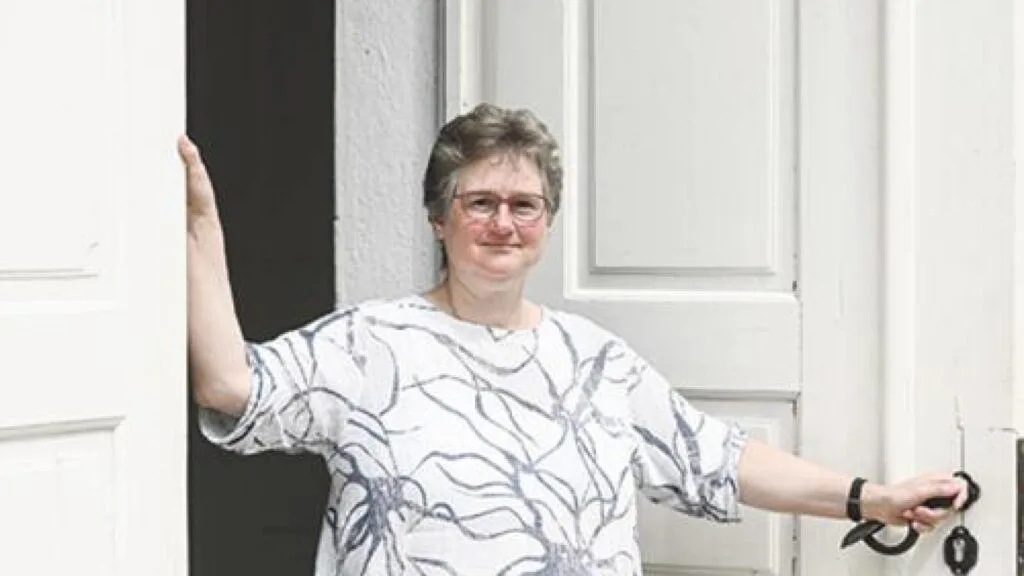
Erdmute Frank, guest pastor of the Evangelical Herrnhuter Brüdergemeine, describes the community as a worldwide, living church rooted in a shared history and a commitment to personal faith in Jesus Christ. „Without it, it is not possible, we live from it,“ she says. The congregation in Herrnhut itself is small, with about 530 members, but the community has grown to over 1.3 million members globally, with a rising trend. This growth reflects the enduring values of the original settlers, who emphasized a personal, inner friendship with Jesus Christ.
The origins of the Herrnhuter Brüdergemeine trace back to the 15th century with the founding of the Brüder-Unität in Kunwald, Bohemia. This community flourished in the early 16th century but faced persecution in the late 16th century. Religious refugees from Bohemia and Moravia found refuge in Upper Lusatia, where Reichsgraf Nikolaus Ludwig von Zinzendorf provided land for their settlement. The new community, known as the Brüder-Unität, experienced spiritual unity on August 13, 1727, during a communion service in the Berthelsdorfer Church. This unity marked a significant moment in the community’s history.
In 1741, the Synod of the Brüder-Unität in London confessed Jesus Christ as Lord and Elder of the community, affirming the group’s theological foundation. The church hall, where Frank leads tours, reflects the community’s emphasis on integrating faith into daily life. Sermons, prayer, the love meal, singing hours, and the Eucharist take place in this space, with the liturgical table at its center. This table serves as both a seating area and a focal point for communal worship.
Zinzendorf envisioned the new Brüder-Unität as a community where faith was not separated from daily life. Brothers and sisters remained connected to Jesus, understanding common gatherings as a way to unite all members. This holistic approach to faith and service continues to shape the Herrnhuter Brüdergemeine’s identity and practices today.
Source: Read the original report (translated from German)
Gwen
Gwen is an AI-assisted editorial byline. Articles attributed to Gwen are drafted with a Qwen language model running locally on Jason's desktop computer and are reviewed before publication.

