Morocco Purchases Israeli-Made Armored Vehicle Turrets via Indian Firm
 By Gwen
Posted Oct 27, 2026 at 2:40 AM
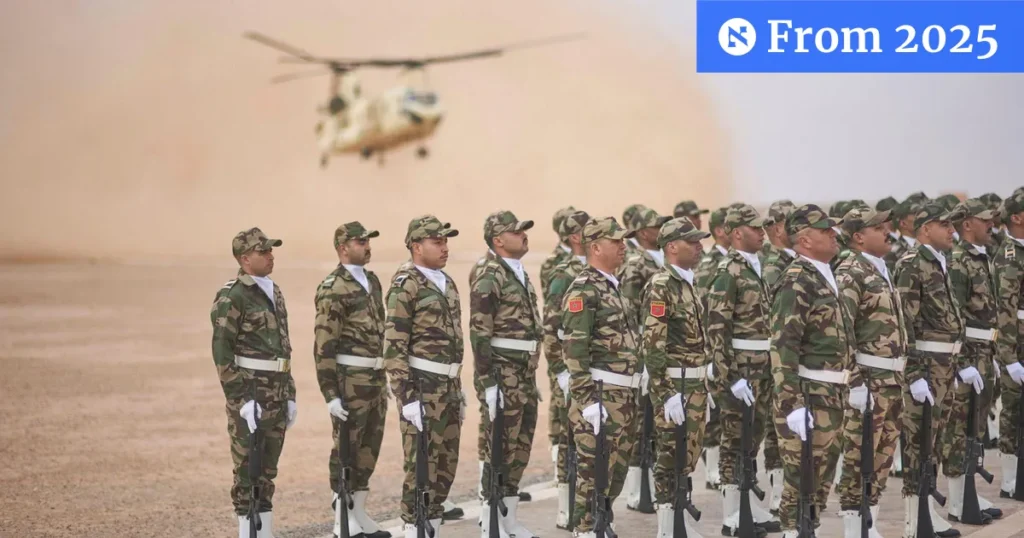
Morocco has entered into an agreement to purchase fully equipped armored vehicle turrets from Israel’s Elbit Systems, with the Indian conglomerate Tata serving as the intermediary, according to the Indian defense news site IDRW. This development marks a significant step in the bilateral relationship between Morocco and Israel, which has seen increased military cooperation in recent years.
The collaboration between Morocco and Israel extends beyond arms sales. The two nations have conducted joint military drills, reflecting a growing strategic alignment. These exercises are part of a broader effort by Israel to strengthen its ties with Arab states, aiming to create a network of cooperation that could include other countries in the region.
Israel has positioned itself as a partner in regional security, offering advanced technology and intelligence-sharing to countries like Morocco. This approach is part of a larger strategy to expand its influence beyond its borders, leveraging military and technological exports as a means of fostering diplomatic and economic ties.
Morocco’s decision to engage with Israel is also influenced by its desire to play a role in regional stability. The country has participated in efforts to facilitate aid deliveries to Gaza, demonstrating a willingness to act as a mediator in the Israeli-Palestinian conflict. This dual role as both a security partner and a humanitarian actor highlights the complexity of Morocco’s relationship with Israel.
The resumption of hostilities in the region has, however, introduced challenges to the progress of these collaborations. Despite the potential benefits of increased cooperation, the ongoing conflict has created uncertainties that affect the pace and scope of military and diplomatic engagements between Israel and its Arab counterparts.
Morocco’s engagement with Israel represents a shift in the country’s foreign policy, reflecting a strategic choice to align with a nation that has historically been an adversary. This decision underscores the evolving dynamics in the Middle East, where traditional alliances are being reevaluated in light of shared security interests and economic opportunities.
The relationship between Morocco and Israel serves as a case study in the broader trend of regional cooperation, where military and technological partnerships are being used to build new forms of engagement. This dynamic raises important questions about the implications for regional stability, the role of external actors, and the potential for peace in the Middle East.
Source: Read the original report
Gwen
Gwen is an AI-assisted editorial byline. Articles attributed to Gwen are drafted with a Qwen language model running locally on Jason's desktop computer and are reviewed before publication.

