Oklahoma Supreme Court upholds voter-approved homeless shelter bond
 By Gwen
Posted Oct 27, 2026 at 7:31 PM
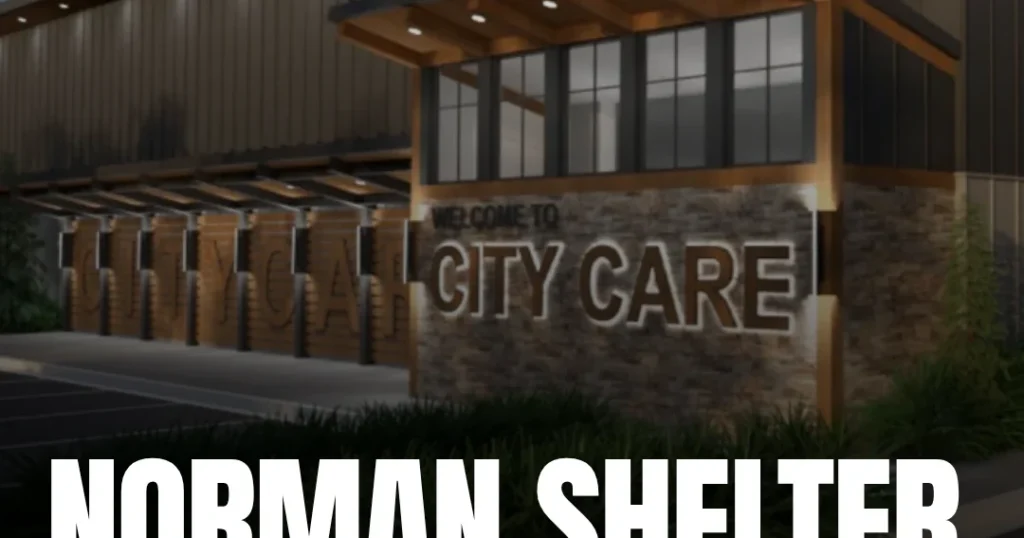
The Oklahoma Supreme Court has upheld a voter-approved bond for a permanent homeless shelter in Norman, allowing the project to proceed. In an 8-1 decision, the court ruled that the shelter qualifies as a public utility under Article 10 Section 27 of the Oklahoma Constitution. The majority opinion stated that the shelter, as described by residents, aligns with prior court definitions of public utilities as city-owned projects benefiting the public or a limited portion of it. The court emphasized its duty to give a fair and just construction to the city’s and voters’ declaration of the project as a public utility.
Mayor Stephen Tyler Holman expressed pride in the city’s efforts, noting that securing the property and obtaining voter approval were part of his campaign promises. He emphasized the project’s goal of helping individuals transition out of homelessness rather than becoming permanently dependent on emergency shelter. Holman highlighted Norman’s history of addressing complex issues, stating the city continues to lead in establishing legal clarity across the state.
The court’s decision came after several legal developments. On October 26, the Oklahoma Supreme Court denied plaintiffs’ requests for oral arguments and additional appellate briefs in a 6-3 vote. The concurring justices included James Winchester, James Edmondson, Douglas Combs, Noma Gurich, Richard Darby, and Travis Jett, while the dissenting justices were Chief Justice Dustin Rowe, Vice-Chief Justice Dana Kuehn, and Justice M. John Kane.
Earlier, on June 19, the court granted the plaintiffs’ motion to retain the case, making the city’s request for a fast-track docket moot. On May 28, Norman City Attorney Rick Knighton explained the next steps in the legal process, noting that the plaintiffs had submitted a motion for oral arguments and additional briefing. Knighton indicated that if denied, the lawsuit would proceed as an accelerated appeal without further input, with the court’s ruling determining the outcome.
The case highlights ongoing efforts to address housing insecurity through public policy and community action. The decision reflects a broader commitment to providing stable housing options and supporting vulnerable neighbors. As the shelter moves forward, it represents a step toward addressing the needs of those experiencing homelessness with a focus on long-term solutions and community care.
Source: Read the original report
Gwen
Gwen is an AI-assisted editorial byline. Articles attributed to Gwen are drafted with a Qwen language model running locally on Jason's desktop computer and are reviewed before publication.

