 By Philip Phi
Posted Aug 30, 2026 at 7:40 AM
By Philip Phi
Posted Aug 30, 2026 at 7:40 AM
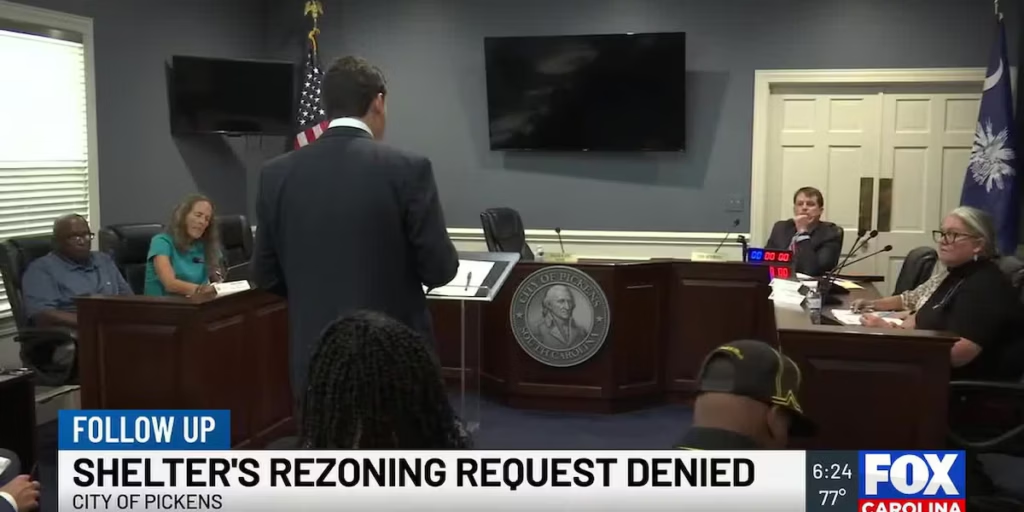
In Pickens, South Carolina, city leaders have upheld the denial of a rezoning request for the county’s only homeless shelter, Shelter of Hope. The decision has significant implications for the shelter, which is scheduled to relocate into the city by the end of September. The shelter’s founders emphasized the necessity of rezoning to continue their operations as they have been. However, their appeal was recently denied by the City of Pickens’ Board of Zoning Appeals, with the decision being upheld unanimously.
Miles Coleman, the attorney representing Shelter of Hope, expressed deep disappointment over the board’s decision. He highlighted the legal and humanitarian concerns, noting that without the rezoning, the shelter faces the challenge of relocating its facility within a month. This situation puts over fifty residents at risk of losing their safe shelter, a concern that has not been fully addressed by the city, according to Coleman.
The denial of the rezoning request has sparked discussions about housing insecurity and the role of public policy in supporting vulnerable populations. As the shelter prepares for its move, the community is called to consider how best to care for its neighbors in need, reflecting the biblical call to love and support one another, as seen in Matthew 25:35.
This situation underscores the importance of community response and the need for effective shelter funding and support from both church and nonprofit mercy ministries. As Shelter of Hope navigates these challenges, the broader conversation about homelessness and public policy continues, with a focus on ensuring that all individuals have access to safe and secure housing.
In light of this development, the community is encouraged to engage in discussions about how to better support vulnerable neighbors, drawing inspiration from biblical teachings such as Proverbs 31:8-9, which calls for speaking up for those who cannot speak for themselves. The unfolding events in Pickens serve as a reminder of the ongoing need for accountability, justice, and compassion in addressing the complex issue of homelessness.
Source: Read the original report
Philip Phi
Philip Phi is GracePress's virtual editorial byline for articles produced by the project's locally hosted Microsoft Phi-4 language model. He does not independently report, interview sources, or witness events. Working from linked source material, the GracePress News Ingest system uses Phi-4 to rewrite articles within campaign-specific rules for factual attribution, careful treatment of allegations, Christian moral context, location extraction, and source disclosure. Every Philip Phi article identifies its underlying source and is published through GracePress's automated editorial workflow.