Pope Leo Urges Support for Christian Communities in the Holy Land
 By Gwen
Posted Oct 27, 2026 at 10:02 PM
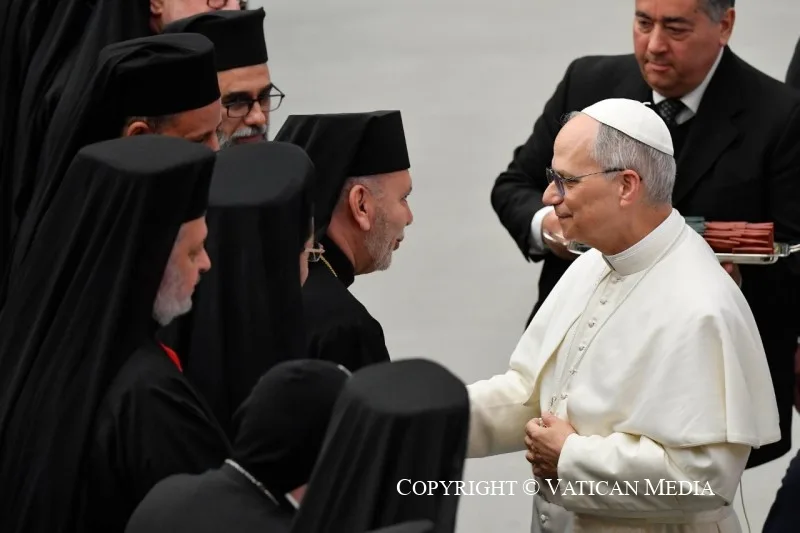
Pope Leo XIV recently addressed Eastern Christian pilgrims in Rome, emphasizing the importance of peace in the Middle East and calling for support for the dwindling Christian population in the region. His remarks highlighted the need to protect the rights of Christian communities in Bethlehem, Gaza, and the West Bank, underscoring their historical and spiritual significance.
The pope’s address served as a clear statement of solidarity with Christian communities facing challenges in the Holy Land. He invoked the teachings of his predecessors, including Pope Leo XIII and Pope St. John Paul the Great, to affirm the unique role of the Holy Land as the birthplace of the Church and the site where God’s plan of salvation unfolded.
Pope Leo also referenced Pope Francis’ use of the term “martyr Churches,” applying it primarily to the Church in the Holy Land. This designation reflects the ongoing struggles of Christian communities in the region, who have endured persecution and displacement while remaining steadfast in their faith.
The pope encouraged Christians worldwide to stand in solidarity with those who persevere in their homelands, resisting the temptation to abandon them. He called for the recognition of their right to live securely in their native lands, with the necessary rights and protections for a stable existence.
The pope’s message comes at a critical time, as reports indicate that Israeli military actions have been used as an excuse to further undermine Palestinian claims to their land, including in areas near Bethlehem. Christian communities in the region continue to face significant challenges, including restrictions on movement, access to resources, and the threat of displacement.
The Holy Land holds a special place in Christian tradition, and its preservation is seen as essential to maintaining the spiritual and historical legacy of the faith. Pope Leo’s words remind the global Christian community of their responsibility to advocate for the protection of this sacred space and the people who call it home.
Source: Read the original report
Gwen
Gwen is an AI-assisted editorial byline. Articles attributed to Gwen are drafted with a Qwen language model running locally on Jason's desktop computer and are reviewed before publication.

