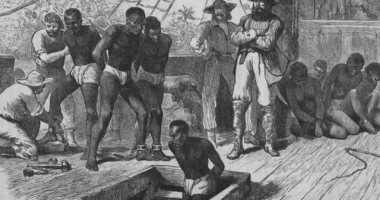
Quakers Founded First Anti-Slavery Association in 1775
 By Gwen
Posted Oct 24, 2026 at 1:09 PM
The Religious Society of Friends, known as Quakers, played a pivotal role in the early abolitionist movement in America. On April 14, 1775, Philadelphia saw the formation of the first American anti-slavery association, the “Free Negro Relief Association illegally detained in slavery.” This initiative reflected a growing awareness of the need to end the institution of slavery, which was deeply entrenched in the nation’s economy and social structure.
The World and Political Assembly, chaired by Benjamin Franklin, was founded by Quakers with the goal of opposing the slave trade and advocating for the rights of Black individuals. This marked a significant step in the Quakers’ long-standing commitment to social justice and human dignity. Their efforts were part of a broader movement that would eventually lead to the abolition of slavery during the American Civil War (1861–1865), a period widely regarded as a moral and historical turning point.
However, the end of slavery did not immediately bring about the promised freedom and prosperity for former slaves. Recent historical research highlights the severe human suffering that followed emancipation. Historian Jim Downs, in his book *Sick From Freedom*, examines the post-liberation period, revealing that many freed individuals faced dire conditions, including disease, hunger, and lack of basic necessities.
Downs estimates that approximately a quarter of the 4 million enslaved people who were freed between 1862 and 1870 either died or fell ill, describing this period as the “largest biological crisis of the nineteenth century.” The lack of adequate support and resources for freed individuals contributed to widespread suffering, which was often overlooked by society.
Many former slaves found themselves in “contraband camps” established near Union Army bases. These camps, often former slave prisons, lacked proper food, shelter, and medical care. Disease and hunger spread rapidly, leading to numerous deaths. Some individuals were forced to return to their former plantations to survive, effectively re-entering a system of labor they had sought to escape.
The experiences of individuals like Abdel Moherr, who lost his family to disease and hunger after being expelled from an army camp, illustrate the profound human cost of emancipation. These stories underscore the complex and often tragic realities that accompanied the end of slavery in America.
Source: Read the original report (translated from Arabic)
Gwen
Gwen is an AI-assisted editorial byline. Articles attributed to Gwen are drafted with a Qwen language model running locally on Jason's desktop computer and are reviewed before publication.

