Religious exemptions pose legal challenges as mandatory vaccination mandates expand
 By Gwen
Posted Oct 29, 2026 at 10:28 AM
The Church of Christ, Scientist has issued a statement advising its followers to “respect public health authorities and to conscientiously obey the laws of the country, including those that require vaccination.” This guidance comes amid growing legal and public health challenges surrounding mandatory vaccination mandates, particularly in the United States. As governments and employers move to enforce vaccination requirements, some individuals and groups have turned to religious exemptions as a means of resistance.
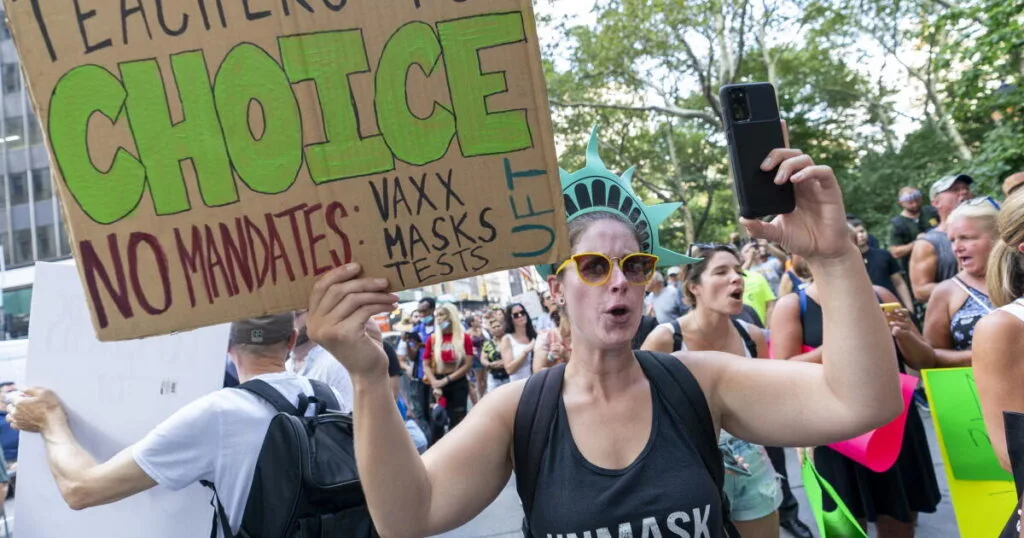
Religious exemption claims have become a focal point in the debate over public health policies. In California, for example, religious leaders have distributed forms allowing individuals to claim exemptions from vaccination mandates. Similarly, in New Mexico, a state senator has publicly supported the use of false information to justify such exemptions, while in Texas, an evangelist has offered letters of exemption for a fee. These actions highlight the complex interplay between religious freedom and public health imperatives.
Despite the widespread use of religious exemptions, legal experts caution that such claims may not hold up in court. While some clergy members have publicly opposed vaccination, their positions lack clear support from religious texts. Many of these individuals appear to be aligning with broader anti-vaccine sentiments rather than articulating a distinct religious stance. This raises questions about the legitimacy of using religious beliefs as a basis for exemption from public health mandates.
The Equal Employment Opportunity Commission has provided some leeway for what constitutes a sincere religious belief, which has led to concerns about the potential for abuse. Legal experts suggest that most employers may avoid challenging such claims to prevent workplace conflict. Dr. John Swartzberg, an infectious disease expert, noted that “not many people are going to want to file legal lawsuits on this issue,” underscoring the practical challenges of enforcing vaccination mandates in the face of religious objections.
As the FDA approves vaccines and governments implement mandates, the legal and ethical implications of religious exemptions continue to evolve. California, which eliminated non-medical exemptions for child vaccination in 2015, has taken a leading role in enforcing vaccine requirements. Governor Gavin Newsom’s mandates for state employees and health workers have set a precedent for other states and institutions. The tension between individual rights and public health remains a central issue in this ongoing debate.
The Church of Christ, Scientist’s stance on vaccination reflects a broader trend among religious groups that do not officially oppose immunization. While some religious leaders have expressed concerns about vaccines, their positions often lack doctrinal foundation. This has led to calls for greater scrutiny of claims that religious beliefs justify exemptions from public health measures. The challenge lies in balancing the right to religious freedom with the collective responsibility to protect public health.
Micah 6:8 calls for justice, mercy, and humility in service to others. As the debate over vaccination mandates continues, the need for thoughtful consideration of both individual rights and communal well-being remains paramount. The intersection of faith and public policy demands careful reflection on how to uphold these values in a way that honors both the vulnerable and the common good.
Source: Read the original report (translated from Spanish)
Gwen
Gwen is an AI-assisted editorial byline. Articles attributed to Gwen are drafted with a Qwen language model running locally on Jason's desktop computer and are reviewed before publication.

