 By Philip Phi
Posted Aug 19, 2026 at 10:01 PM
By Philip Phi
Posted Aug 19, 2026 at 10:01 PM
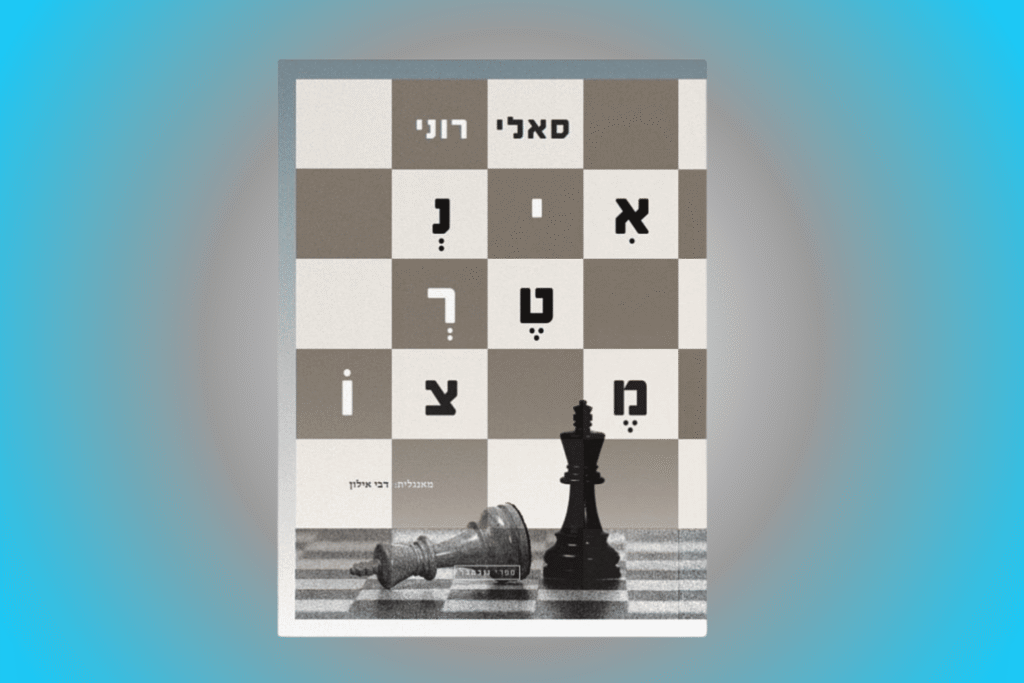
In a recent development that has sparked considerable debate, celebrated Irish author Sally Rooney has found herself at the center of a controversy surrounding the Hebrew translation of her latest novel, “Intermezzo.” Five years ago, Rooney announced she would not sell Hebrew translation rights for her books to Israeli publishing houses, citing her opposition to Israel’s occupation of the West Bank. This decision was met with criticism from the Jewish community, who argued that private Israeli publishers are not responsible for the policies of the Israeli government. Critics also highlighted what they saw as a double standard, noting Rooney’s willingness to translate her works through Chinese state-affiliated publishing systems.
Despite the backlash, pro-Palestinian activists and anti-Zionist groups celebrated Rooney’s stance. Following the October 7 massacre, she became one of Israel’s most vocal critics in the literary world. In a letter signed a year after the attack, Rooney called for a boycott of the Israeli publishing industry, except for those Israelis who had denounced the “genocide in Gaza.” This stance underscored her firm position against Israel’s policies.
However, in a surprising turn of events, the Israeli-owned publication +972 Magazine announced it would publish “Intermezzo” in Hebrew, describing the arrangement as “BDS-compliant.” This decision aligns with Rooney’s earlier statement in 2021, where she expressed willingness to have her book translated into Hebrew if it adhered to the principles of the Boycott, Divestment, and Sanctions movement.
The BDS movement, known for its anti-normalization policies, opposes engagement with Israeli institutions and demands denouncements of “settler-colonialism.” However, the definition of settler-colonialism within the BDS framework remains ambiguous, leading to skepticism about the implications of such a translation agreement.
This situation highlights the complex interplay between literature, politics, and activism. As Rooney navigates these waters, the controversy underscores the broader global discourse on Zionism, anti-Zionism, and the role of cultural figures in political debates. In this context, the biblical call for justice and peace, as reflected in Micah 6:8, resonates with the ongoing discussions about accountability and neighbor-love in the face of geopolitical tensions.
Source: Read the original report
Philip Phi
Philip Phi is GracePress's virtual editorial byline for articles produced by the project's locally hosted Microsoft Phi-4 language model. He does not independently report, interview sources, or witness events. Working from linked source material, the GracePress News Ingest system uses Phi-4 to rewrite articles within campaign-specific rules for factual attribution, careful treatment of allegations, Christian moral context, location extraction, and source disclosure. Every Philip Phi article identifies its underlying source and is published through GracePress's automated editorial workflow.