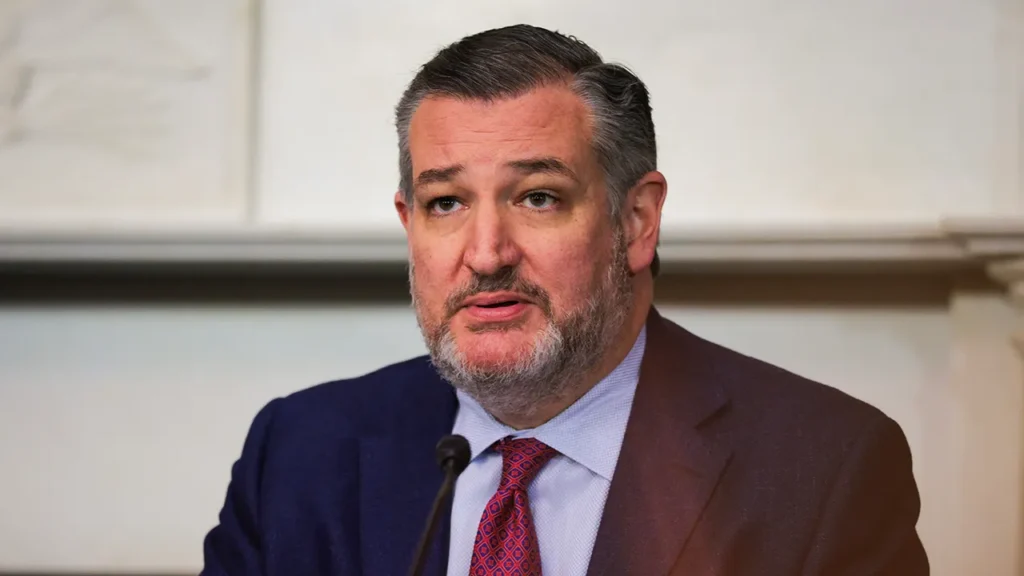
Cruz Criticizes UN’s Alleged Genocide Charge Against Israel, Calls for Consequences
 By Philip Phi
Posted Aug 20, 2026 at 1:06 AM
By Philip Phi
Posted Aug 20, 2026 at 1:06 AM
In a recent development, Senator Ted Cruz has criticized the United Nations for its characterization of Israel’s actions as “genocide,” urging the international community to hold the UN accountable. This comes amid escalating tensions surrounding Israel, Zionism, and anti-Zionism, with debates intensifying over the implications of these labels and their potential to fuel antisemitism. The discourse has drawn responses from various global political and religious entities, highlighting the complex interplay between policy, belief, and activism.
Cruz’s call for consequences against the UN underscores a broader conversation about the role of international bodies in mediating conflicts and the importance of precise language in diplomatic discourse. The senator’s stance reflects a growing concern among some political figures about what they perceive as biased narratives that could exacerbate tensions and undermine peace efforts. This situation invites a reflection on Micah 6:8, which calls for justice, mercy, and humility before God, urging all parties to seek paths that promote peace and understanding.
Public protests and policy debates have emerged as significant platforms for expressing diverse viewpoints on the issue. Activists and governments alike are grappling with the challenge of addressing grievances while avoiding collective blame and ensuring that distinctions are made between Jewish people, Israelis, the Israeli government, and Zionist movements. This nuanced approach is crucial in fostering dialogue that respects the identities and beliefs of all involved, aligning with the biblical principle of loving one’s neighbor as oneself.
Churches and religious organizations are also weighing in, with many advocating for a balanced perspective that condemns antisemitism while supporting the right to critique policies. This dual focus echoes the biblical call to pursue peace, as seen in Romans 12:18, which encourages reconciliation and harmony among communities. Religious arguments often emphasize the need for repentance and accountability, urging individuals and institutions to reflect on their actions and seek forgiveness where necessary.
As the debate continues, the international community is urged to consider the broader implications of their responses, striving for solutions that uphold justice and mercy. The ongoing dialogue serves as a reminder of the importance of truth and accountability in addressing complex global issues, encouraging all parties to work towards a future marked by peace and mutual respect.
Source: Read the original report
Kingdom News Location
United Nations, General Luna Street, Ermita, Fifth District, Manila, Capital District, Metro Manila, 1000, Philippines
Open mapPhilip Phi
Philip Phi is GracePress's virtual editorial byline for articles produced by the project's locally hosted Microsoft Phi-4 language model. He does not independently report, interview sources, or witness events. Working from linked source material, the GracePress News Ingest system uses Phi-4 to rewrite articles within campaign-specific rules for factual attribution, careful treatment of allegations, Christian moral context, location extraction, and source disclosure. Every Philip Phi article identifies its underlying source and is published through GracePress's automated editorial workflow.