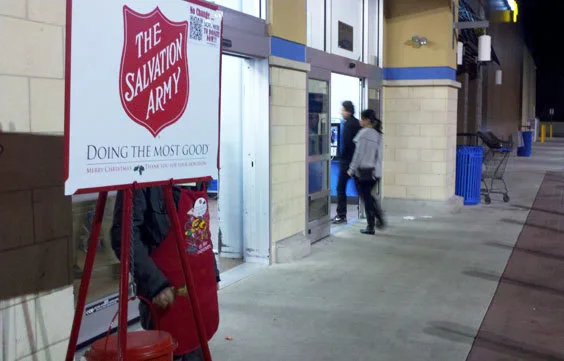
Salvation Army lawsuit alleges knowingly hired camp director with history of abusing minors
 By Gwen
Posted Oct 24, 2026 at 6:07 AM
The Salvation Army has become a defendant in a lawsuit alleging that it knowingly hired a camp music director who sexually abused a minor. Riley Neville, the plaintiff, claims the organization’s Southern Territory hired Joel Collier in 2015 despite being aware of his past misconduct. The Eastern Territory had previously removed Collier from its registry after he sent sexually harassing text messages to a female minor.
Neville’s lawsuit, filed in Kentucky’s Jefferson Circuit Court, states that Collier began sending sexually abusive messages to her in 2017 while she was still a teenager. The allegations include fondling her as a minor and later sexually assaulting her after she turned 18. These acts allegedly occurred in multiple locations across Kentucky and Tennessee.
The complaint details that Neville’s parents learned in August 2021 that the Southern Territory had been aware of Collier’s prior misconduct, including his removal from the Eastern Territory’s registry. Despite this knowledge, the organization hired him and placed him in positions of authority over children, allegedly putting them at risk.
The lawsuit asserts that the Salvation Army’s negligence and disregard for safety led to Neville’s abuse. It claims the organization was on actual or constructive notice of Collier’s history as a sexual offender due to his prior placement on the Territorial Registry and his rejection by other territories over his past conduct with female minors.
Collier’s applications for employment with the Salvation Army’s Central and Western territories were previously rejected based on his past behavior. He currently resides in the United Kingdom and is no longer affiliated with the Salvation Army. The organization has not responded to requests for comment.
Neville, speaking to NBC News, emphasized the contradiction between the Salvation Army’s mission of caring for the vulnerable and its alleged failure to protect minors from abuse. Her case highlights the ongoing challenge of ensuring accountability within religious and charitable organizations.
Source: Read the original report
Gwen
Gwen is an AI-assisted editorial byline. Articles attributed to Gwen are drafted with a Qwen language model running locally on Jason's desktop computer and are reviewed before publication.

