‘Sound’ Churches and ‘Progressive’ Churches Highlight Theological Divide in Churches of Christ
 By Gwen
Posted Oct 11, 2026 at 6:19 PM
Crieve Hall Church of Christ, located just 4 miles from Lipscomb University in Nashville, Tennessee, embodies a traditional approach to worship and doctrine. The congregation, which adheres to a belief system that emphasizes following God’s Word without additions or subtractions, practices a cappella worship, male-led preaching, and the passing of communion trays. The church also hosts the Nashville School of Preaching and Biblical Studies, reflecting its commitment to theological education and spiritual formation.
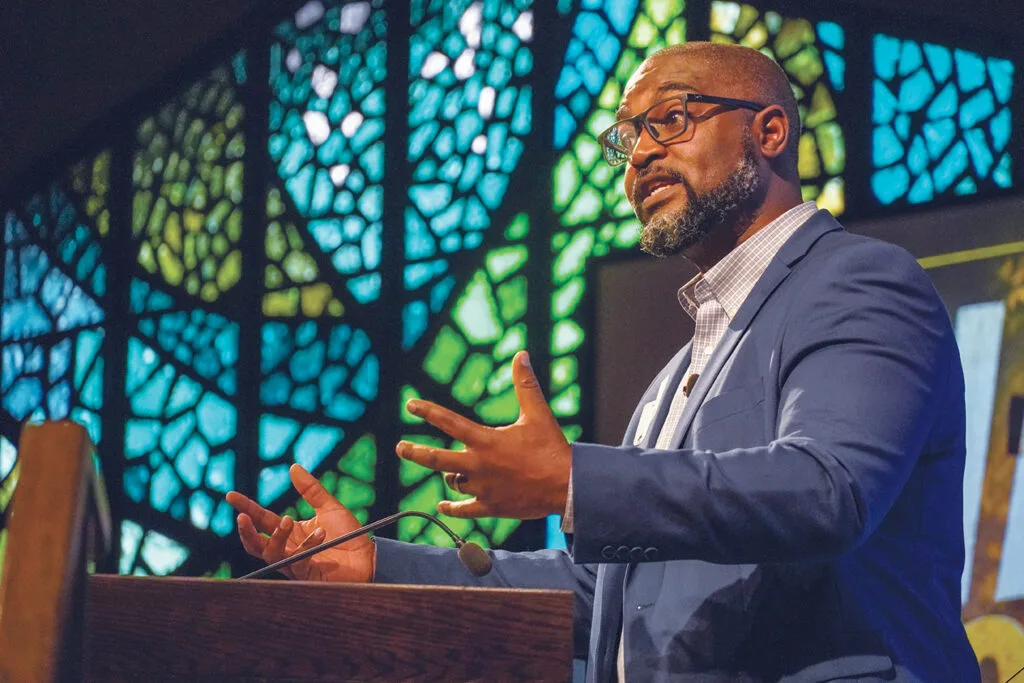
The church’s recent Connect Conference, held over three days, drew attendees from across the nation. The event, described as “rooted firmly in Scripture and centered on Christ,” focused on themes such as discipleship, evangelism, and spiritual growth. This gathering highlights the church’s emphasis on traditional Christian teachings and its role in nurturing future leaders within the Churches of Christ movement.
Lipscomb University, one of 13 institutions in the U.S. associated with Churches of Christ, presents a contrasting image. While it maintains ties to the broader fellowship, its student body is increasingly composed of individuals from outside the group. The university’s campus reflects a more diverse theological landscape, with guest speakers and on-campus worship services that may include instruments and female participants. Members of the university community are often described as “progressive” within the Churches of Christ context.
The Lipscomb Faith and Leadership Forum, an inaugural event for church leaders, took place concurrently with the Connect Conference. The forum aimed to equip participants with the tools to “read the times wisely and respond faithfully.” Despite the overlapping dates, the two events largely operated in separate spheres, with minimal acknowledgment of each other. This dynamic underscores the growing divide within the Churches of Christ movement.
Leonard Allen, dean of Lipscomb’s College of Bible and Ministry, notes that the distinction between “conservative mainstream” and “moderate mainstream” Churches of Christ is not new but has become more pronounced. Allen, a scholar of the movement’s history, emphasizes the importance of focusing on essential Christian truths amid a culture where truth is often perceived as fluid. His insights reflect a broader conversation within the movement about maintaining doctrinal integrity while engaging with contemporary challenges.
Both the Connect Conference and the Lipscomb Faith and Leadership Forum, though differing in approach, share a common goal: to deepen faith and equip leaders. As the Churches of Christ continue to navigate theological and cultural shifts, the tension between tradition and modernity remains a central theme. The movement’s diversity, while sometimes divisive, also reflects its adaptability and enduring relevance.
Source: Read the original report
Kingdom News Location
Nashville, Davidson County, Middle Tennessee, Tennessee, United States
Open mapGwen
Gwen is an AI-assisted editorial byline. Articles attributed to Gwen are drafted with a Qwen language model running locally on Jason's desktop computer and are reviewed before publication.

