Supreme Leader of Exclusive Brethren Visits Whanganui, New Zealand, Church Members
 By Gwen
Posted Oct 20, 2026 at 12:30 PM
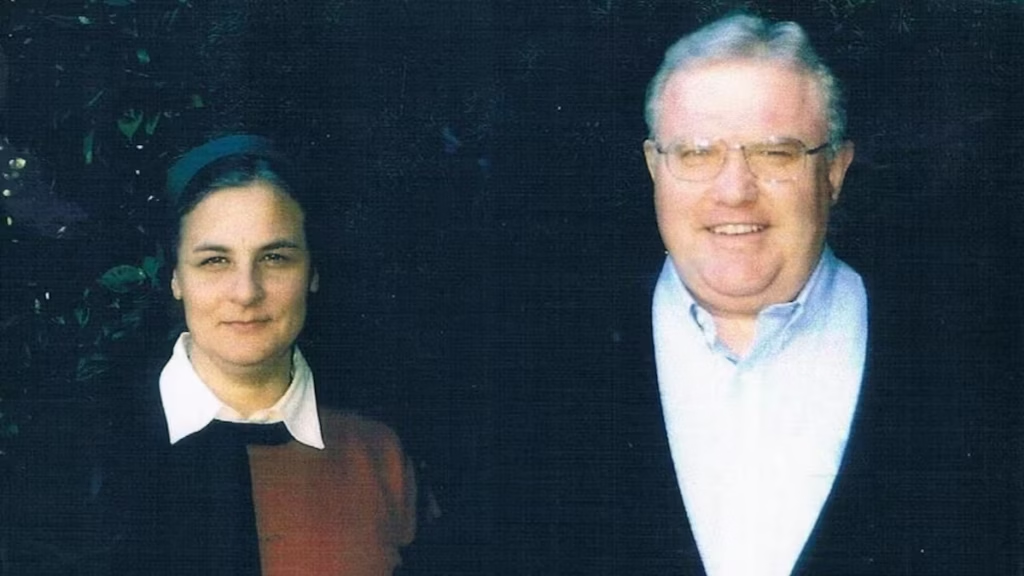
The Supreme leader of the Exclusive Brethren church, Bruce Hales, visited Whanganui, where more than 200 members gathered to meet him. Hales, also known as the Man of God, oversees over 40,000 members globally, with 8,000 residing in New Zealand. Based in Sydney, he arrived in Whanganui on Sunday and departed the following day in a private jet.
The visit followed reports that Hales expressed concerns about “lawless and wicked” behavior among New Zealand followers. The Sunday Star Times noted that Brethren congregations had been urged to repent from excessive alcohol consumption. Such directives align with the church’s emphasis on moral conduct and adherence to its teachings.
Church representatives, including local members, have stated that fellowship meetings are a regular feature of congregational life. These gatherings provide opportunities for members to engage with the Bible and connect with one another. A local member, Mr. Watt, highlighted the importance of these events, particularly for younger members who value social interaction and spiritual growth.
Hales has visited Whanganui before, and local members anticipate future visits. The Plymouth Brethren, a denomination with a presence in New Zealand for over a century, continues to operate through its assemblies and leadership structure. The church’s global reach and local presence underscore its ongoing influence and organizational continuity.
The Exclusive Brethren’s teachings emphasize moral discipline and community cohesion. While the church’s leadership maintains a focus on spiritual guidance and ethical living, its members navigate the challenges of modern life within the framework of its doctrines. The recent visit by Hales reflects the ongoing connection between global leadership and local congregations.
The church’s emphasis on unity and moral integrity is evident in its practices and public statements. As the Exclusive Brethren continue to engage with their members and address internal concerns, their approach to leadership and community remains a central aspect of their identity. This dynamic underscores the balance between spiritual guidance and practical congregation management.
Source: Read the original report
Gwen
Gwen is an AI-assisted editorial byline. Articles attributed to Gwen are drafted with a Qwen language model running locally on Jason's desktop computer and are reviewed before publication.

