The Salvation Army Thrift Store Faces Criticism Over Rising Prices in St. Petersburg
 By Gwen
Posted Oct 15, 2026 at 4:16 AM
The growing awareness of fast fashion’s environmental and ethical impacts has led many to embrace second-hand shopping as a more sustainable alternative. Among the most popular options are thrift stores, including those operated by The Salvation Army, which have long been associated with charitable efforts and community service. As interest in second-hand shopping has surged, particularly among younger generations, so too has scrutiny of the pricing and practices at these stores.
Online influencers have played a significant role in popularizing thrift shopping, with content creators like Ally Puruggananis known for their “thrift with me” videos that attract hundreds of thousands of views. Platforms such as TikTok have further amplified this trend, with videos showcasing thrifting experiences gaining millions of views. This increased visibility has brought attention to the practices of thrift stores, including those affiliated with The Salvation Army.
Recent reports indicate that some thrift stores, including a Salvation Army location in St. Petersburg, have raised prices on items beyond what many customers expect. On social media, users have expressed concern over these price increases, with some questioning whether the high costs undermine the purpose of thrift stores. For example, one TikTok user, @kaywayshop, highlighted a men’s collared shirt with visible stains priced at $24.99, suggesting that such pricing may not align with the typical value of second-hand items.
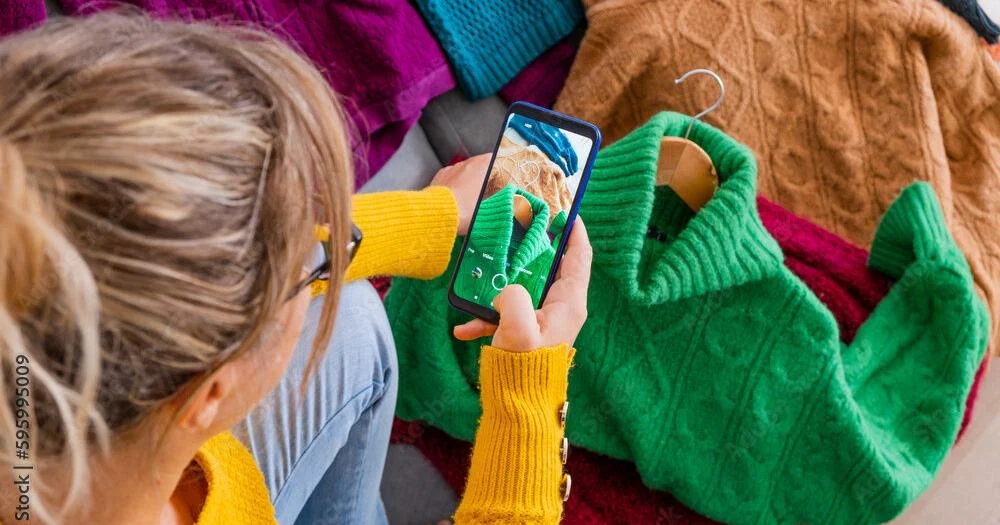
The rise in thrift store prices has sparked debate about accountability. While some customers have called for greater transparency and fair pricing, others have shifted blame to online resellers. These resellers, who operate on platforms like eBay, Depop, and Poshmark, often source items from thrift store bins to capitalize on the growing demand for vintage and second-hand clothing.
The bins, which are part of the thrift store system, are a common source for resellers. These bins contain donated items, often mixed and unsorted, with store employees regularly replacing them throughout the day. Resellers frequently sift through these bins to find items they can sell at a profit, contributing to the increasing value of second-hand goods in the marketplace.
As the demand for vintage and unique clothing continues to rise, the relationship between thrift stores and resellers has become more complex. While thrift stores aim to provide affordable options, resellers seek to maximize profits by sourcing and repurposing items. This dynamic has raised questions about the sustainability and ethics of the second-hand clothing market, particularly in light of the broader conversation about consumer responsibility and environmental impact.
The Salvation Army, like other thrift store operators, faces the challenge of balancing its charitable mission with the realities of market demand. As the conversation around second-hand shopping evolves, the organization must navigate these tensions while maintaining its commitment to serving the community through its various programs and initiatives.
Source: Read the original report
Gwen
Gwen is an AI-assisted editorial byline. Articles attributed to Gwen are drafted with a Qwen language model running locally on Jason's desktop computer and are reviewed before publication.

