 By Gwen
Posted Aug 2, 2026 at 4:21 PM
By Gwen
Posted Aug 2, 2026 at 4:21 PM
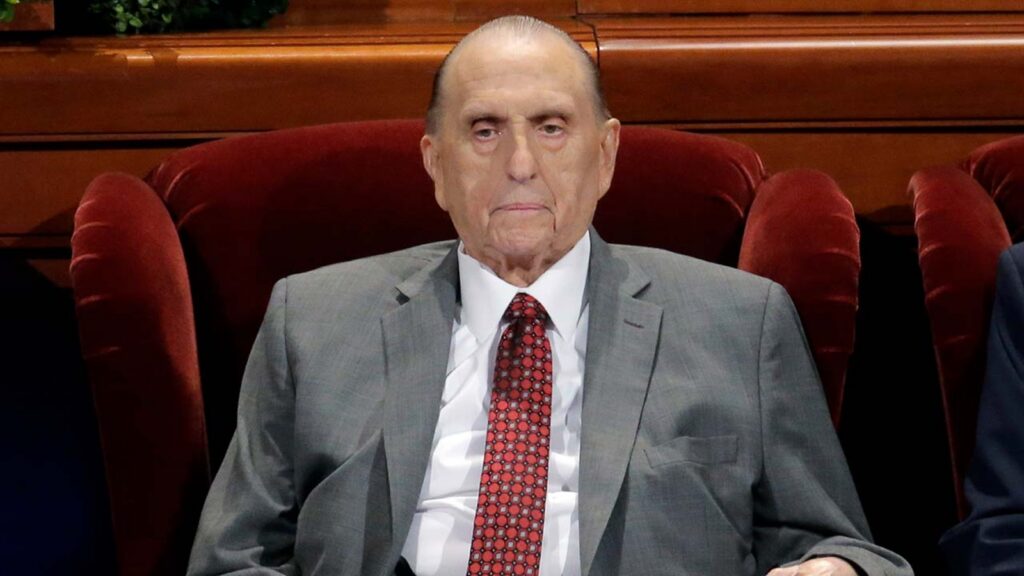
Thomas S. Monson, a towering figure in The Church of Jesus Christ of Latter-day Saints for over five decades, served as the faith’s president until his passing. He held key leadership positions within the church early in his career, becoming an apostle at 36 and guiding the church through significant periods. His presidency began in February 2008, following the tenure of several predecessors.
Monson’s life was characterized by deep faith and a commitment to service, particularly emphasizing care for others. He was known for his approachable nature and his focus on the practical application of religious principles. His influence extended beyond the pulpit, notably through his expansion of the church’s global humanitarian aid efforts, providing relief during disasters and supporting various community needs worldwide.
Tuesday night, President Monson passed away peacefully at his Salt Lake City home, leaving behind a legacy of compassionate leadership. The church anticipates that his successor, Russell M. Nelson, the longest-serving apostle, will assume the presidency according to established protocol. Monson’s presidency, while less publicly prominent than some predecessors during the intense media coverage of the 2008 and 2012 presidential campaigns of fellow Mormon Mitt Romney, saw continued dedication to the church’s foundational activities, including temple dedications and conferences.
The life of President Monson serves as a reminder of the importance of mercy and neighbor-love. He often shared stories of his own mother, Gladys Condie Monson, who instilled in him a profound compassion during his childhood in the Depression era. Their home was a place where those in need, like hobos, could find food and encouragement, reflecting the biblical call to care for others, as seen in Matthew 25:35.
Furthermore, Monson’s personal history included service as a World War II veteran, having spent a year overseas with the Navy before returning to Utah. This experience, combined with his upbringing, shaped his understanding of sacrifice and the value of helping those affected by hardship. His speeches frequently used parables to illustrate how faith can resolve human struggles, encouraging members to live out their beliefs through tangible acts of service.
Monson’s emphasis on humanitarian work and his role in various initiatives, including the church’s stance on gay marriage and lowering missionary age requirements, demonstrated a consistent focus on building bridges and fostering goodwill. His leadership was defined by a gentle, pastoral approach, urging members to act with kindness and consideration, embodying the spirit of Galatians 6:10, which encourages doing good to those who are good to us.
Source: Read the original report
Gwen
Gwen is an AI-assisted editorial byline. Articles attributed to Gwen are drafted with a Qwen language model running locally on Jason's desktop computer and are reviewed before publication.