Two Pennsylvania Churches of Christ Merge After Decades of Separation
 By Gwen
Posted Oct 15, 2026 at 4:31 AM
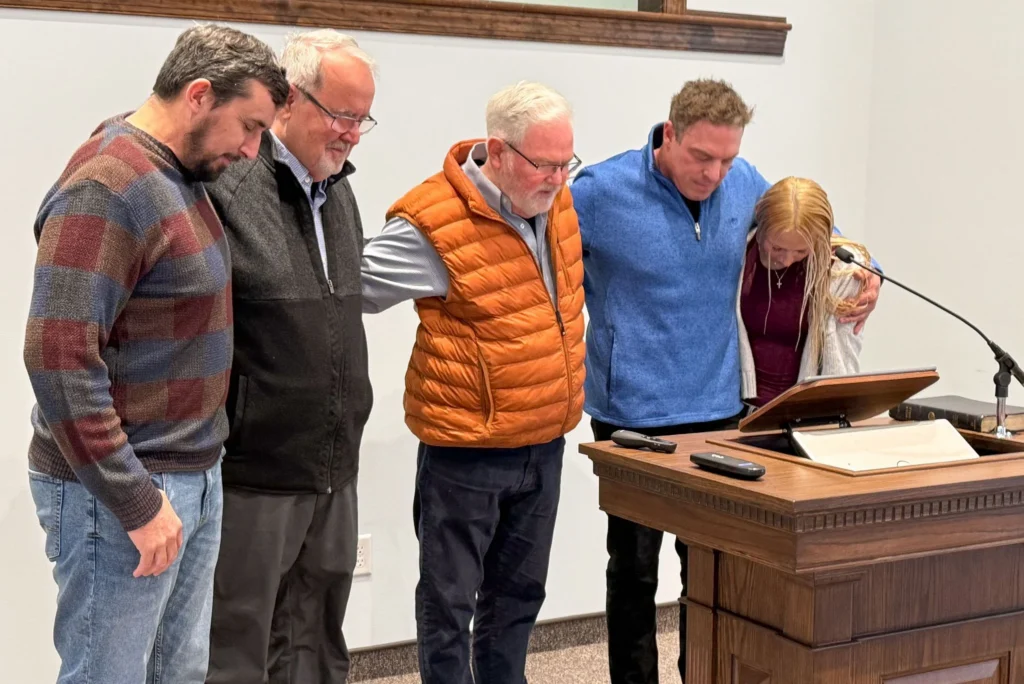
The merger of Coventry Hills Church of Christ and Chesmont Church of Christ in Pottstown, Pennsylvania, marks a significant step in the restoration of unity within the Restoration movement. The two congregations, which had been separated for decades, have come together to form Cornerstone Church of Christ. This new congregation combines the strengths of both groups, with Coventry Hills bringing a church building and Chesmont contributing a full-time preacher and elders.
Members and leaders of the merged congregation describe the process as divinely guided. Christine Ober, a member of Coventry Hills, expressed her belief that the merger reflects the work of the Lord. She noted that the congregation’s young families found a welcoming environment at Chesmont, which had a larger attendance. The transition involved members of Coventry Hills moving under the leadership of Chesmont, a move that leaders believe was in line with spiritual direction.
Minister Thomas Wise emphasized the importance of unity and humility in the merger, referencing Philippians 2:3-4. He highlighted that the new congregation offers an intergenerational opportunity to serve and reach others. The merger is seen as a way to focus on shared goals rather than past divisions, allowing the church to grow and thrive in a more unified manner.
The split between the two congregations occurred in the early 1990s, leading to years of tension and unresolved issues. Elder Rick Elam, who joined Chesmont in 1996 after the split, acknowledged the deep wounds that were left behind. However, he noted that the healing process has been significant, with members expressing joy and renewed purpose in the new congregation.
The merger, which became official earlier this year, represents a commitment to reconciliation and shared mission. Both congregations have demonstrated a willingness to set aside past grievances and work together for the common good. This example of unity and reconciliation aligns with the Restoration movement’s emphasis on returning to the original teachings and practices of the early church.
Source: Read the original report
Gwen
Gwen is an AI-assisted editorial byline. Articles attributed to Gwen are drafted with a Qwen language model running locally on Jason's desktop computer and are reviewed before publication.

