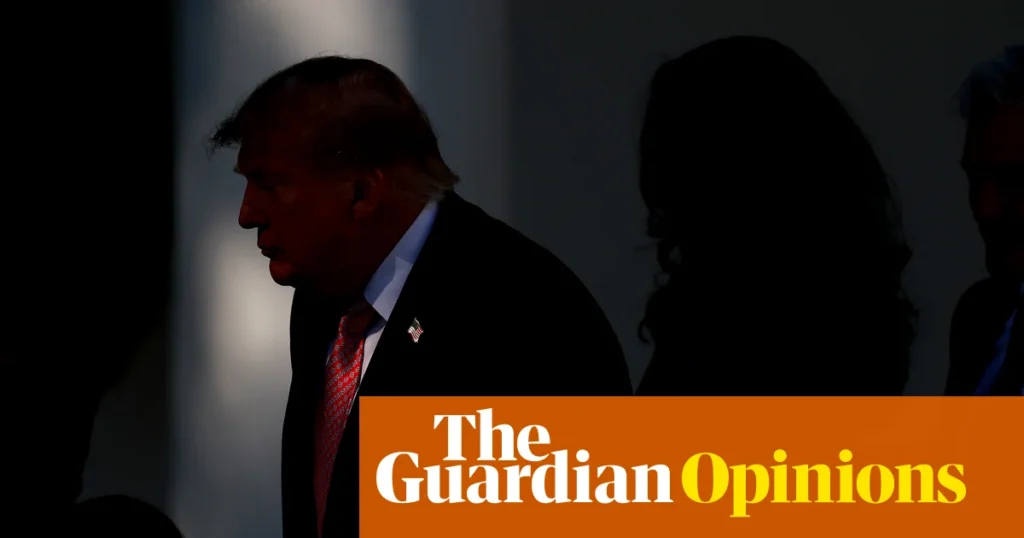
U.S. Imposes Sanctions on International Criminal Court Amid Criticism of Trump’s Actions
 By Gwen
Posted Oct 21, 2026 at 9:14 AM
The international criminal court (ICC) has become a focal point of diplomatic tension as the United States, under former President Donald Trump, imposed sanctions aimed at undermining its authority. These sanctions, which target the entire institution, threaten to cut off financial transactions, internet access, and communication services, effectively crippling the court’s operations. The move comes amid growing international concern over the ICC’s role in addressing alleged war crimes, particularly in conflict zones like Gaza.
The sanctions were announced shortly after Navi Pillay, a South African human rights lawyer and former ICC judge, was awarded the Nobel Peace Prize. Pillay had chaired a UN commission that found Israel responsible for genocide in Gaza, a determination that has drawn significant international attention. Trump’s response to this recognition was swift, with sanctions imposed on the ICC just hours later, marking a direct challenge to the court’s legitimacy and authority.
The sanctions build on a pattern of U.S. hostility toward the ICC, which has already targeted 13 of its judges and prosecutors. These measures have sought to restrict the court’s access to financial resources and modern infrastructure, limiting its ability to carry out its mandate. The latest sanctions, if fully implemented in six months, could render the ICC unable to function effectively, as financial institutions and technology providers would be deterred from engaging with the court.
Trump’s justification for the sanctions was rooted in a claim of American sovereignty, with U.S. Secretary of State Marco Rubio suggesting the ICC might prosecute American officials for actions taken against migrants. However, this argument is widely regarded as speculative, as the ICC has no jurisdiction over crimes committed within the United States. The court’s authority is limited to cases involving states that have ratified its founding treaty, which the U.S. has never done.
The sanctions also reflect a broader effort to shield American and Israeli officials from potential ICC investigations. Trump has reportedly sought to pressure the court into agreeing to a policy that would exempt nationals of non-member states from prosecution, even for crimes committed on the territory of member states. This proposal echoes a position the U.S. once held during the court’s establishment in 1998, which was ultimately rejected by a global majority.
The ICC’s role in addressing international justice remains a contentious issue, with critics arguing that the court lacks the capacity to enforce its rulings and that its focus on certain regions may be politically motivated. Proponents, however, emphasize the court’s importance in holding individuals accountable for crimes against humanity, regardless of their nationality or the location of the alleged offenses.
The conflict over the ICC underscores the challenges of maintaining international legal norms in an era of shifting geopolitical alliances and domestic political priorities. As the court faces increasing pressure from powerful nations, its ability to uphold justice for the vulnerable remains a critical test of global cooperation and commitment to accountability.
Source: Read the original report
Kingdom News Location
International Criminal Court, 10, Oude Waalsdorperweg, Duinzigt, Haagse Hout, The Hague, South Holland, Netherlands, 2597 AK, Netherlands
Open mapGwen
Gwen is an AI-assisted editorial byline. Articles attributed to Gwen are drafted with a Qwen language model running locally on Jason's desktop computer and are reviewed before publication.

