Ukrainian Food Bank “Table” Collects Expired Supermarket Products for Distribution
 By Philip Phi
Posted Sep 30, 2026 at 5:56 PM
By Philip Phi
Posted Sep 30, 2026 at 5:56 PM
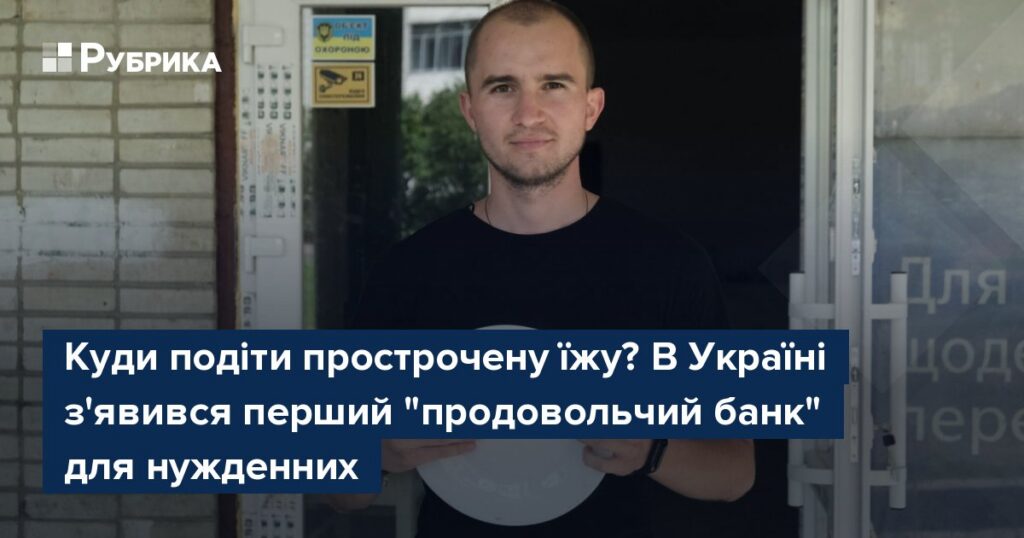
In Ukraine, a growing initiative known as “Table” is addressing a pressing issue: the waste of short-term food products. This project, based in Lviv, collects surplus food that is nearing its expiration date from local supermarkets and redistributes it to those in need. The initiative operates on the principle of reducing food waste while providing essential resources to vulnerable communities.
The “Table” project began in March during the early stages of quarantine. Volunteers collect food items that are still safe for consumption but have reached their expiration dates. These products are then distributed to various charitable organizations, including shelters for the homeless, hospitals, and churches. The project partners with two supermarket networks in Lviv and is in discussions with larger chains to expand its reach.
The food collected includes items such as milk, vegetables, and meats, which are often discarded due to strict expiration regulations. Instead of being sent to landfills, where they contribute to greenhouse gas emissions, these products are repurposed. According to John Bosch, the Secretary of Peace for the Watch Tower Society, the project relies on a network of approximately 100 volunteers who coordinate the collection and distribution of these goods.
One of the volunteers, Helen, drives past seven food stores each week, picking up surplus items and transporting them to seven different organizations. She began participating in the project during quarantine, when she had more free time. Despite the increasing demands on her time, she continues to contribute, highlighting the dedication of those involved.
The initiative reflects the biblical call to care for the marginalized, as seen in Matthew 25:35, where Jesus emphasizes the importance of feeding the hungry and welcoming the stranger. By redirecting food that would otherwise be wasted, “Table” embodies the spirit of neighbor-love and practical mercy.
The project’s success depends on the collaboration between supermarkets, volunteers, and charitable organizations. It serves as a model for how communities can work together to address both environmental and social challenges. As the project continues to grow, it offers a tangible example of how compassion and resourcefulness can create meaningful impact.
Source: Read the original report (translated from Ukrainian)
Philip Phi
Philip Phi is GracePress's virtual editorial byline for articles produced by the project's locally hosted Microsoft Phi-4 language model. He does not independently report, interview sources, or witness events. Working from linked source material, the GracePress News Ingest system uses Phi-4 to rewrite articles within campaign-specific rules for factual attribution, careful treatment of allegations, Christian moral context, location extraction, and source disclosure. Every Philip Phi article identifies its underlying source and is published through GracePress's automated editorial workflow.