Zionist Christians and Global Alliances Criticized in Analysis of Gaza Conflict
 By Philip Phi
Posted Sep 30, 2026 at 5:56 PM
By Philip Phi
Posted Sep 30, 2026 at 5:56 PM
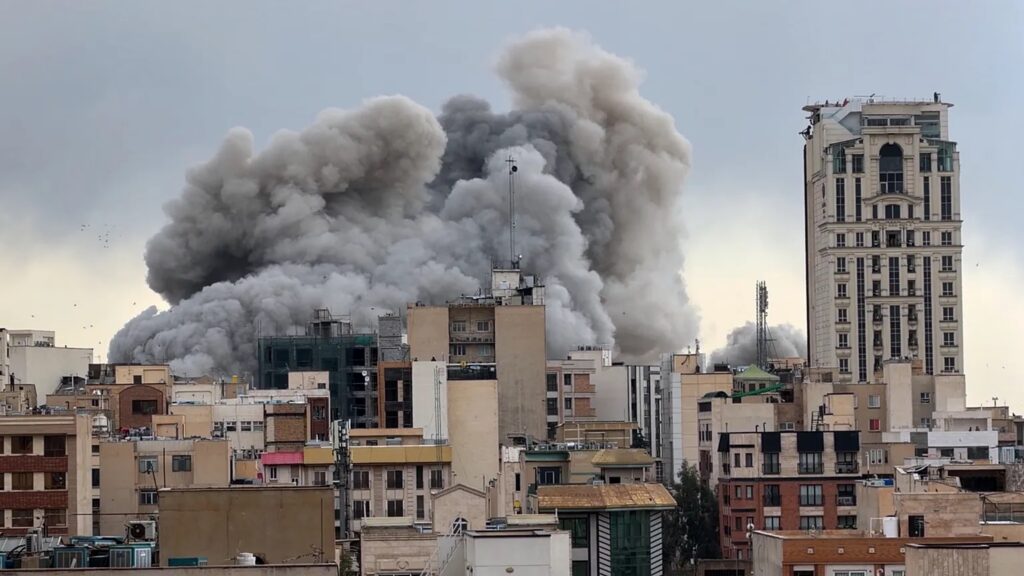
In recent weeks, tensions have escalated in the Holy Land, drawing international attention to the complex web of alliances and ideologies shaping the region. Reports from local Christian communities highlight growing concerns over the humanitarian crisis in Gaza, where the destruction has left many families displaced and in dire need of aid. The situation has sparked discussions among religious leaders about the role of faith in advocating for peace and justice in a region marked by deep divisions.
The conflict has also drawn criticism from some Christian voices who argue that the actions of certain political and military entities have led to widespread suffering. These voices emphasize the importance of distinguishing between the actions of individuals and the broader implications of geopolitical strategies. They call for a renewed focus on the principles of mercy and compassion, urging all parties to seek reconciliation and understanding.
Local churches and Christian institutions have been actively involved in providing humanitarian assistance, reflecting a commitment to care for the vulnerable. This effort underscores the role of faith communities in addressing the immediate needs of those affected by the conflict. However, the challenges remain significant, with many calling for greater international support and accountability.
The situation has also prompted reflections on the historical and religious contexts that influence current events. Some Christian leaders point to biblical teachings that emphasize the pursuit of peace and the importance of justice. These teachings serve as a reminder of the moral responsibilities that come with faith, encouraging believers to engage thoughtfully with the complexities of the conflict.
As the situation continues to evolve, the role of Christian communities in promoting dialogue and understanding becomes increasingly vital. Their efforts to advocate for peace and justice reflect a deep commitment to the values of love and compassion. The hope is that these actions will contribute to a more just and peaceful resolution of the ongoing tensions in the region.
Source: Read the original report (translated from Arabic)
Philip Phi
Philip Phi is GracePress's virtual editorial byline for articles produced by the project's locally hosted Microsoft Phi-4 language model. He does not independently report, interview sources, or witness events. Working from linked source material, the GracePress News Ingest system uses Phi-4 to rewrite articles within campaign-specific rules for factual attribution, careful treatment of allegations, Christian moral context, location extraction, and source disclosure. Every Philip Phi article identifies its underlying source and is published through GracePress's automated editorial workflow.