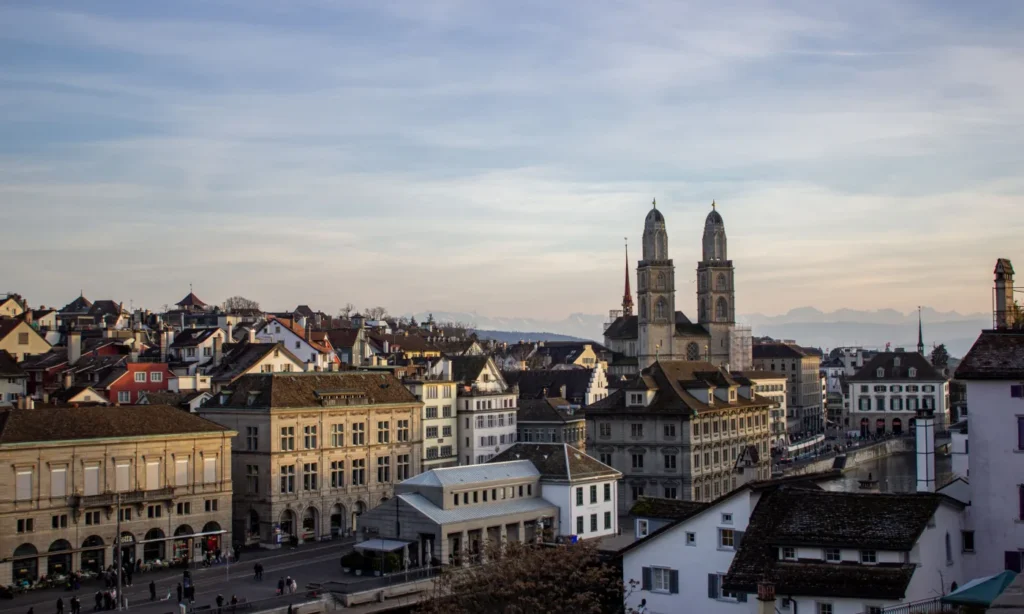
Zurich Reformed Church Votes to Adopt Stricter Climate Goals Than Canton’s 2050 Target (Zurich, Switzerland)
 By Gwen
Posted Oct 29, 2026 at 10:07 PM
The Reformed Church of Zurich has endorsed a more ambitious climate policy through a public vote, with 52.7% of voters supporting the counter-proposal to the “Creation Initiative.” This decision means the Church will set stricter climate goals than the canton of Zurich, aiming for carbon neutrality in its buildings, including churches, by 2035—five years earlier than the cantonal target of 2050. A legal framework for an environmental management system within parishes is currently under development, and obtaining the “Green Rooster” environmental label will become mandatory.
The Synod Council, the Church’s executive body, welcomed the outcome, stating it firmly integrates the responsibility of preserving creation into ecclesiastical regulations. Tobias Adam, a member of the Initiative Committee, highlighted the significance of the vote, saying it sends a strong signal in response to the worsening global climate crisis. He noted that the decision reflects a commitment to environmental stewardship.
The “No” committee expressed concerns that prioritizing climate protection might detract from essential Church duties such as evangelization and diacony. Despite these worries, the high voter turnout of 40.6%, or approximately 115,000 Reformed voters, exceeded expectations on both sides. Simone Schädler from the “No” committee had hoped for a 30% turnout, while Tobias Adam had anticipated satisfaction with a participation rate above 20%.
The results reveal a divide between urban and rural areas. Cities like Zurich and Winterthur showed strong support for the proposal, with approval rates of 70% and 62%, respectively. Without the votes from Zurich, the proposal would have been rejected, underscoring the narrow margin of victory. This outcome highlights the Church’s role in climate action and the effectiveness of popular consultations within ecclesiastical settings.
The decision reflects a growing awareness of environmental responsibility among Reformed congregations and demonstrates the potential for churches to influence broader societal efforts. As the Church moves forward with implementing these stricter climate goals, it continues to navigate the balance between ecological stewardship and its traditional mission of service and proclamation.
Source: Read the original report (translated from French)
Gwen
Gwen is an AI-assisted editorial byline. Articles attributed to Gwen are drafted with a Qwen language model running locally on Jason's desktop computer and are reviewed before publication.

