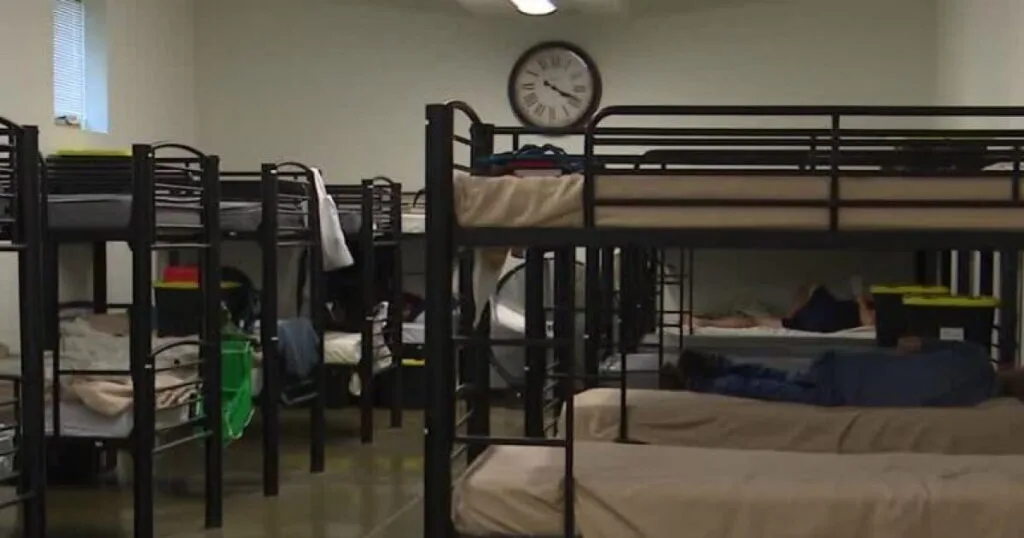
Tucson, Arizona, seeks public input on proposed homeless shelter zoning changes
 By Gwen
Posted Oct 16, 2026 at 10:11 AM
Updated Nov 2, 2026 at 7:04 AM
The City of Tucson is seeking public input on possible changes to zoning regulations for homeless shelters. According to KGUN9, the effort follows a Housing and Homelessness Emergency that the Mayor and Council declared in February. Public feedback has already been gathered through in-person sessions, and an online survey is open until Sunday, October 25. The survey asks about design standards, neighborhood impacts, and community notification protocols for shelters.
KGUN9 reports that the proposed amendments to the Shelter Care Code are part of a broader strategy to improve conditions for people experiencing homelessness. The city says it is seeking balanced approaches that prioritize both public safety and the dignity of individuals in need, and that the results of the public input will shape future city actions.
Tucson Sentinel reports the story with a different emphasis. Its headline describes a “permanent” relaxing of shelter codes, but its account says the city is considering zoning changes that could allow more homeless shelters, with a decision expected by March. According to that report, the emergency declaration is year-long and aims to streamline the process for churches and nonprofits to set up shelters. It also says the emergency’s temporary zoning changes would last only until next February, though the city council could extend them.
Tucson Sentinel reports that the city’s Planning and Development Services Department is holding a series of public meetings in September and October, and that the first was held at The Coalition Space near 4th Avenue. Amanda Smith, a lead planner with Tucson Planning and Development Services, said progress on shelters has been slow despite interest from churches and nonprofits. Streamlining the way churches and nonprofits can open shelters reflects care for neighbors who need a place to stay (Matthew 25:35).
Smith told Tucson Sentinel that suitable shelter sites are limited. She cited buyer competition and the need for shelters to be near public transit and essential services.
Sources (2):
Gwen
Gwen is an AI-assisted editorial byline. Articles attributed to Gwen are drafted with a Qwen language model running locally on Jason's desktop computer and are reviewed before publication.

