Mayor Zohran Mamdani’s Antisemitism Strategy Avoids Defining Israel-Related Hate Crimes
 By Gwen
Posted Sep 30, 2026 at 7:31 PM
By Gwen
Posted Sep 30, 2026 at 7:31 PM
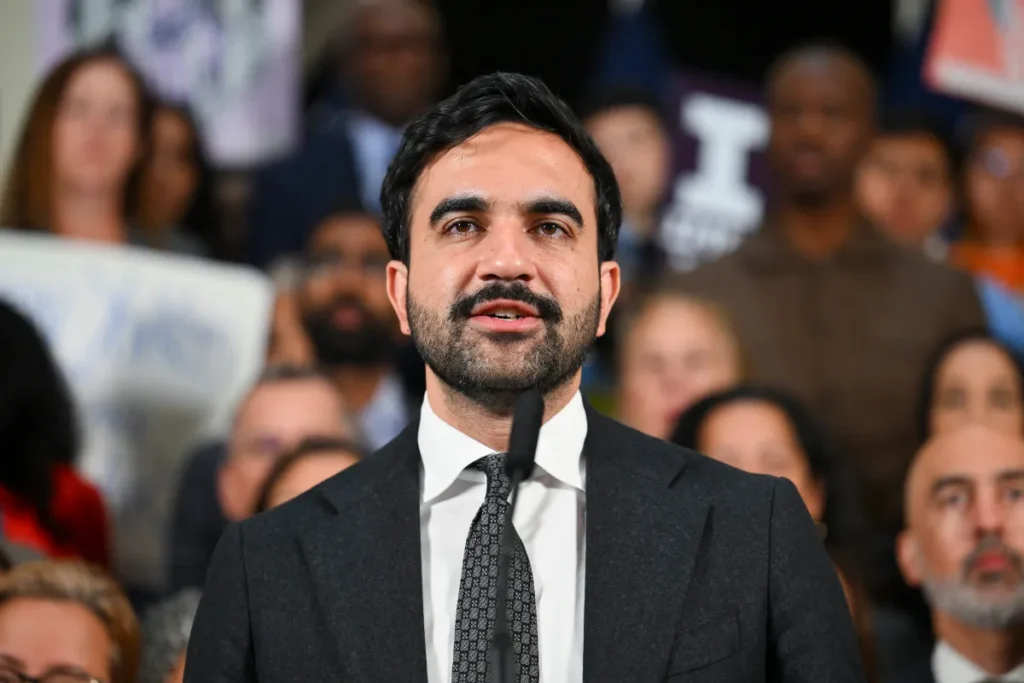
Mayor Zohran Mamdani has unveiled a comprehensive strategy to combat antisemitism in New York City, emphasizing increased funding for security and hate-prevention initiatives. The plan includes $7.4 million allocated for grants, expanded Jewish history education, and improved institutional security. The mayor’s goal is to “confront the scourge of antisemitism now and in the future,” a stance that comes amid rising antisemitic hate crimes, which increased by 9 percent in the first eight months of the year, according to the NYPD.
Despite the city’s commitment to addressing antisemitism, Mamdani’s strategy deliberately avoids defining what constitutes antisemitism, particularly in cases involving Israel or Zionism. The administration asserts that it can effectively combat antisemitism without adopting a specific definition, a stance that has drawn scrutiny. This approach reflects a broader political tension, as the debate over antisemitism is increasingly intertwined with discussions about Israel.
The lack of a clear definition has sparked debate, especially given the city’s previous adoption of the International Holocaust Remembrance Alliance (IHRA) definition, which included examples related to Israel, such as denying Jewish self-determination or holding Jews collectively responsible for Israel’s actions. Mamdani’s predecessor, Eric Adams, supported this definition, but Mamdani revoked it on his first day in office, signaling a shift in the administration’s approach.
Mamdani’s decision to reject the IHRA definition is rooted in his political considerations. By avoiding a firm definition, the administration maintains flexibility in addressing alleged antisemitism, particularly in the context of political speech about Israel. This approach has been criticized for potentially allowing a broad range of expressions to be labeled as antisemitic, thereby complicating efforts to combat genuine hate crimes.
Phylisa Wisdom, the city’s antisemitism chief, has stated that City Hall prefers to make judgments on a case-by-case basis. This method, while offering discretion, raises concerns about consistency and clarity in identifying and addressing antisemitic behavior. The administration’s strategy highlights the challenges of balancing political considerations with the need for clear, actionable definitions to combat hate effectively.
The situation underscores the complex interplay between political discourse and the fight against antisemitism. As the administration moves forward, the absence of a clear definition may lead to further debate and scrutiny, particularly in a city with a diverse and often polarized population. The challenge remains to address antisemitism without compromising the principles of justice and accountability.
Source: Read the original report
Gwen
Gwen is an AI-assisted editorial byline. Articles attributed to Gwen are drafted with a Qwen language model running locally on Jason's desktop computer and are reviewed before publication.