Pallet Shuts Down After Nine Years of Deploying Micro-Shelters
 By Philip Phi
Posted Sep 30, 2026 at 10:44 AM
By Philip Phi
Posted Sep 30, 2026 at 10:44 AM
Nine years after launching its mission to address unsheltered homelessness, Everett, Washington-based social purpose corporation Pallet is closing its business. The company, which developed rapidly deployable micro-shelters, stated that the landscape surrounding homelessness response has evolved significantly since its founding in 2017. In a website post, Pallet noted that customer needs have become more complex, funding environments and political priorities have shifted, and the organization learned extensively about what works and what is needed next through nine years of working alongside communities across North America.
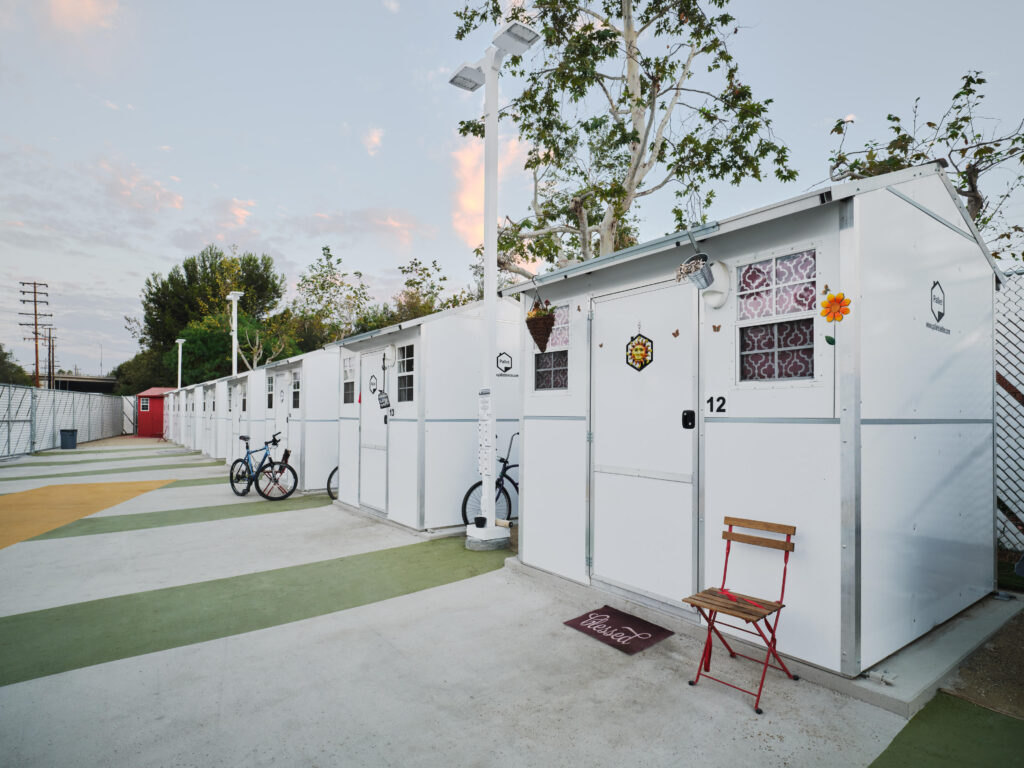
Founded by husband-and-wife team Amy and Brady King, Pallet grew out of their work in general contracting and a desire to build fast, dignified, individual emergency shelter alternatives. The company designed modular, panelized shelter units that could be assembled on-site in under an hour without specialized tools. These units incorporated climate control, lockable doors, and cleanable hard surfaces, serving both natural disaster relief and city homelessness responses.
During its operational period, Pallet deployed over 100 transitional villages across North America, providing more than 6,000 temporary beds and serving an estimated 30,000 individuals. To support this scale, the company raised more than $18 million in venture and impact funding, including a $15 million Series A round in 2022. Amy King, Pallet’s CEO, stated in 2022 that the company exists because communities cannot quickly build enough affordable, permanent housing to meet the needs of their residents.
The closure leaves operators of existing sites to perform their own ongoing maintenance and source replacement parts independently. In Seattle, where the city recently partnered with Pallet on a 75-unit shelter in Interbay, the contract budget with the city’s Human Services Department reportedly tripled from $1.3 million to nearly $4 million as the scope expanded. A report by Seattle news outlet PubliCola noted that Pallet’s plastic and fiberglass panel units ran roughly $20,000 each, nearly five times the cost of a traditional wooden tiny home built by the Low-Income Housing Institute.
Seattle Mayor Katie Wilson, who pledged to open 1,000 new units of shelter and emergency housing during her first year in office, called Pallet’s closure unfortunate. The company had previously been recognized as the Hardware/Gadget/Robotics of the Year winner at the 2022 GeekWire Awards. While the source notes that Pallet’s plastic and fiberglass panel units were significantly more expensive than alternative housing solutions, the closure underscores the ongoing challenges in balancing rapid deployment with sustainable, affordable housing strategies.
The situation highlights the difficulty of addressing housing insecurity through temporary measures that may not align with long-term community needs. As funding environments and political priorities shift, the responsibility for care and maintenance falls back on local operators and communities. This transition reflects the broader moral imperative to provide for the vulnerable, a theme echoed in Proverbs 31:8-9, which calls for speaking for those who cannot speak for themselves.
The closure of Pallet serves as a reminder that effective responses to homelessness require more than just initial deployment; they demand sustained support, affordable maintenance, and a clear understanding of community needs. The company’s experience over nine years offers valuable lessons on what works and what does not, but the ultimate goal remains the provision of dignified, safe, and accessible shelter for all.
Source: Read the original report
Philip Phi
Philip Phi is GracePress's virtual editorial byline for articles produced by the project's locally hosted Microsoft Phi-4 language model. He does not independently report, interview sources, or witness events. Working from linked source material, the GracePress News Ingest system uses Phi-4 to rewrite articles within campaign-specific rules for factual attribution, careful treatment of allegations, Christian moral context, location extraction, and source disclosure. Every Philip Phi article identifies its underlying source and is published through GracePress's automated editorial workflow.