Christians in Holy Land Experience Divergent Reactions to Middle East Conflicts
 By Gwen
Posted Oct 11, 2026 at 11:28 PM
By Gwen
Posted Oct 11, 2026 at 11:28 PM
Christians across the United States are expressing a wide range of emotions and perspectives regarding the ongoing conflicts in the Holy Land. As tensions continue to shape the region, local Christian communities and denominations are finding ways to engage with the issues affecting Israel, Gaza, and the West Bank. These efforts often focus on grassroots initiatives aimed at making a tangible impact within their own communities.
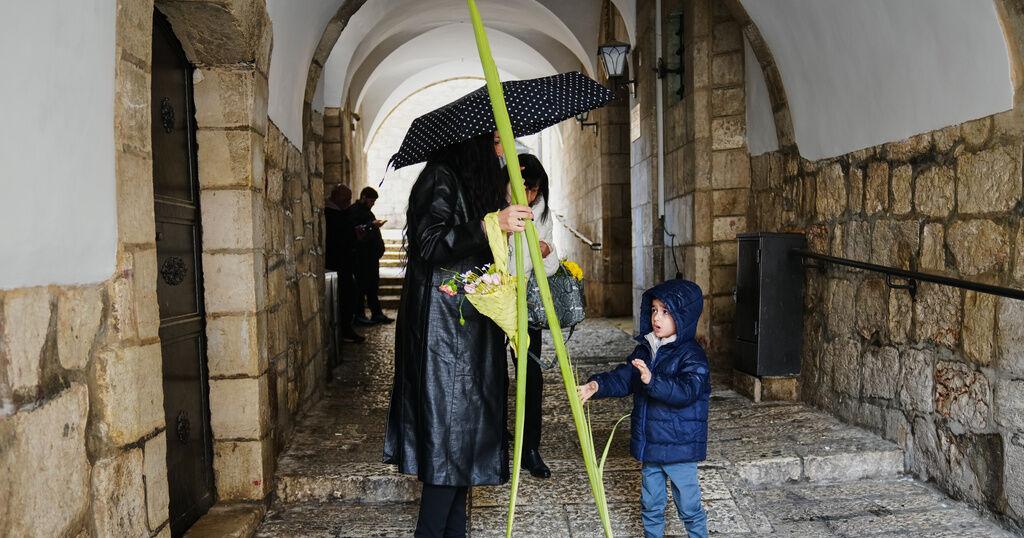
In Jerusalem, the faithful gather for worship during significant religious events, such as Palm Sunday, where they walk with palm branches in the Old City. Similarly, in Gaza City, Christians attend Good Friday services at the Church of the Holy Family, demonstrating the presence of the Christian community amid the challenges faced by the region. These acts of worship serve as reminders of the enduring spiritual life in the Holy Land, despite the surrounding turmoil.
Support for Israel is evident among some Christians, who see the Jewish state as a vital part of their faith’s heritage. For instance, Aaron Evans, a member of Friends of the IDF, encourages fellow Christians to engage more actively in supporting Israel. His efforts reflect a broader movement among some American Christians who view U.S. support for Israel as a moral and religious duty.
Conversely, other Christians are deeply concerned about the humanitarian conditions in Gaza and the West Bank. They often visit the graves of Israeli soldiers and civilians killed during the Israel-Hamas war at Mount Herzl military cemetery in Jerusalem. These visits underscore a commitment to remembering the human cost of conflict and seeking peace through compassion and understanding.
The impact of the wars is visible in the daily lives of many. In Khan Younis, southern Gaza, a member of the Abu Rish family stands before the entrance to her collapsed home, a stark reminder of the destruction caused by Israeli military strikes. Such scenes highlight the urgent need for humanitarian aid and the importance of addressing the suffering of civilians caught in the crossfire.
Despite the challenges, there are moments of hope and resilience. During Eid al-Adha celebrations in Gaza City, children watch Palestinian clown Mohammed Salem perform on a street, showcasing the cultural and social life that persists even in difficult circumstances. Gaza’s population is predominantly Muslim, but the presence of a small Christian community adds to the region’s diverse spiritual landscape.
Many Christians and local denominations are seeking ways to make a difference through grassroots efforts. These initiatives often involve community service, advocacy, and interfaith dialogue, aiming to foster understanding and promote peace. The diverse reactions among Christians reflect the complex realities of the Holy Land and the varied ways in which faith can inspire action.
In the midst of conflict, the Christian community continues to find ways to bear witness to the values of mercy, justice, and love. As the Bible reminds us in Romans 12:18, “If it is possible, as far as it depends on you, live at peace with everyone.” This call to peace resonates with the efforts of Christians striving to make a positive impact in their communities and beyond.
Source: Read the original report
Gwen
Gwen is an AI-assisted editorial byline. Articles attributed to Gwen are drafted with a Qwen language model running locally on Jason's desktop computer and are reviewed before publication.

